

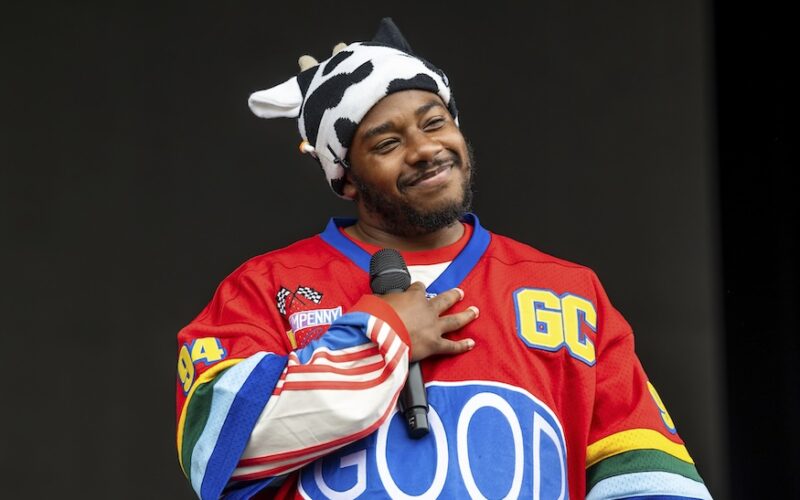
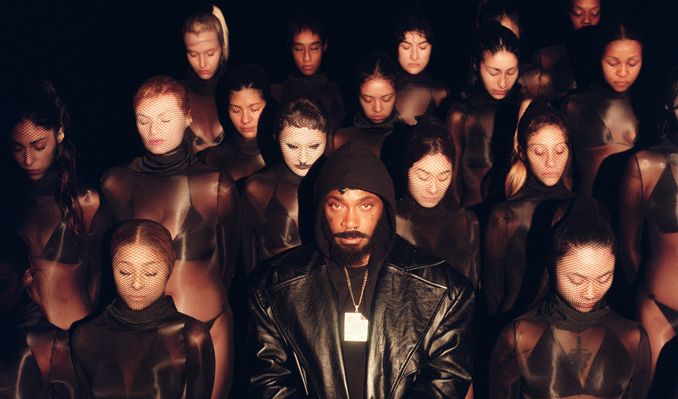
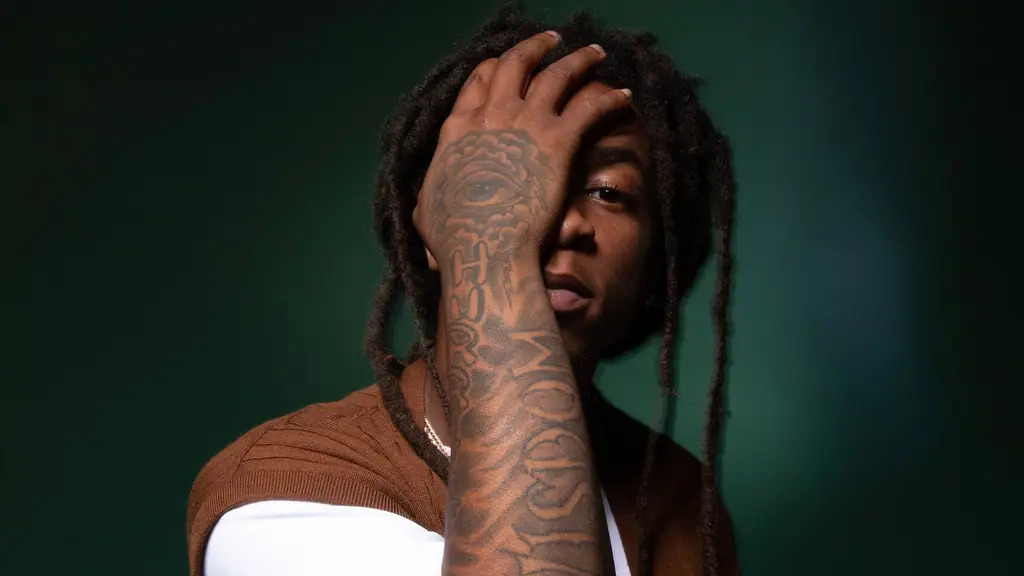
LaRussell, an independent hip hop artist who recently partnered with Roc Nation while maintaining his independence, has deleted his social media pages following backlash tied to his song “Heaven Sent.” The move comes after strong reactions to the record, which sparked widespread discussion online. Known for building his career through direct-to-fan engagement, LaRussell’s decision marks a notable shift in how he is currently interacting with his audience.
The Song That Sparked the Reaction
“Heaven Sent” centers on the idea that all people are “God’s people.” In the song, LaRussell references a range of figures, including Adolf Hitler, Jeffrey Epstein, and Donald Trump, alongside Martin Luther King Jr. and Malcolm X. The contrast in those names drew attention and led to mixed reactions from listeners. Prior to releasing the track, LaRussell acknowledged the potential response and chose to move forward with the release. “My engineer told me I shouldn’t drop it, but I said thank you for callin me, I’m finna’ to drop this. It’s my art.” The statement reflected a clear decision to stand on the message behind the record.
A Career Built on Direct Connection
LaRussell’s rise as an independent artist has been closely tied to his use of social media. His consistent posting, direct engagement, and day-to-day visibility have played a major role in building his audience. His presence online has been a defining part of his brand. While his music continues to reach listeners across platforms like Spotify, his strongest connection to fans has been through social content and direct communication. That visibility has been central to how his career has grown.
Stepping Away From the Conversation
Following the backlash, LaRussell removed his social media presence entirely. The decision effectively paused his ability to respond, clarify, or engage with both supporters and critics in real time. Without an active presence, the conversation around the song has continued without direct input from the artist. For independent artists, social platforms often serve as the primary space to communicate with audiences. In this case, that connection point is currently inactive.
The Role of Social Media in Independent Growth
For many independent artists, platforms like Instagram and TikTok are not just promotional tools—they are central to how careers are built and sustained. They provide direct audience access, immediate feedback, and ongoing visibility. When that presence is removed, it can impact how artists control their narrative and maintain engagement with their audience.
Timing Around a Major Partnership
The situation also follows LaRussell’s recent partnership with Roc Nation, a move he has described as allowing him to remain independent while expanding his reach. That development had already drawn attention from fans who closely follow his independent approach. The timing of the partnership, combined with the release of “Heaven Sent” and the subsequent removal of his social media, has made this a significant moment in his career trajectory.
What This Means for Independent Artists
This moment highlights several realities for independent artists. Visibility often comes from consistent presence. Social media plays a key role in audience connection. Public reaction is part of releasing music at scale. Maintaining communication channels can influence how narratives develop. For artists building independently, platforms and visibility tools are often as important as the music itself when it comes to growth and audience engagement.
What Happens Next
It remains unclear whether LaRussell’s social media accounts are permanently removed or temporarily deactivated. If they return, so does his ability to re-engage directly with his audience. As of now, the focus remains on how this moment may shape the next phase of his career, particularly given how central digital presence has been to his rise.







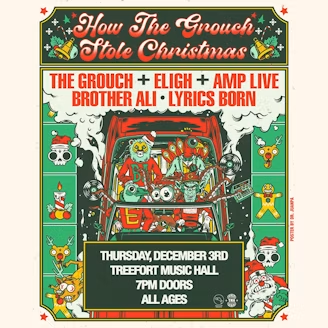
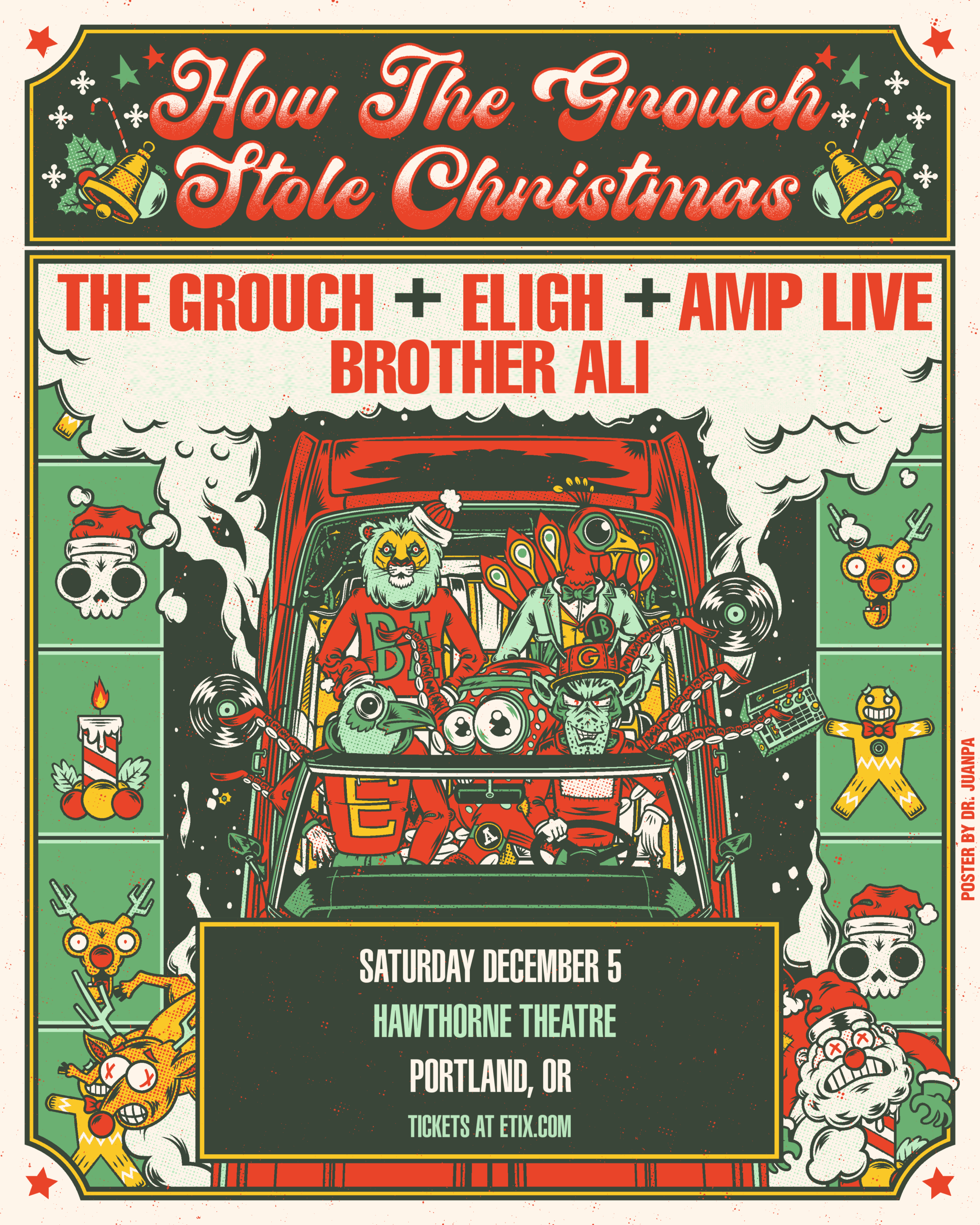
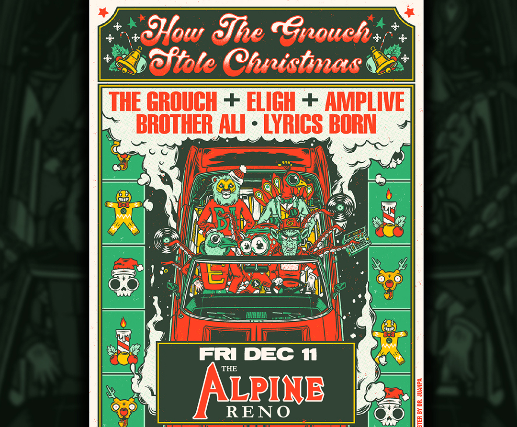
 The Grouch & Eligh bring the How The Grouch Stole Christmas Tour to Treefort Music Hall 12/3 Ft. AmpLive with Special Guests Brother Ali and Lyrics Born










Leave a Reply