

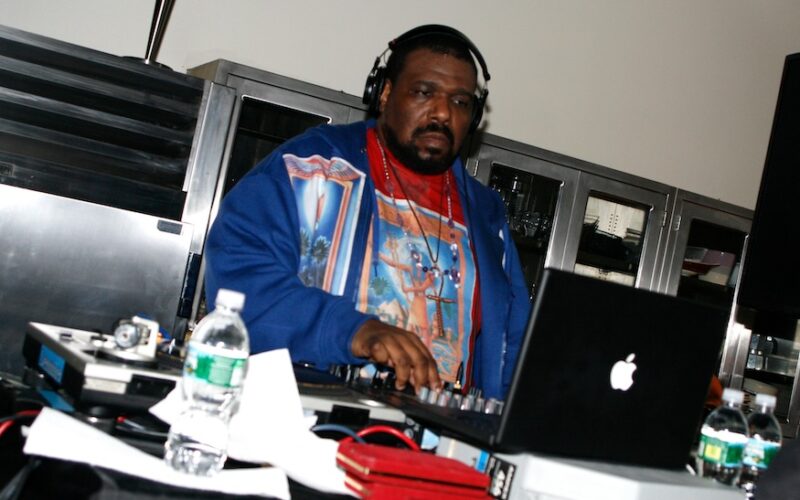
Afrika Bambaataa, a figure widely recognized as one of the foundational architects of hip-hop culture, has died at the age of 68. His lawyer confirmed that he passed away in Pennsylvania on Thursday due to prostate cancer.
His death prompted responses from fans, peers, and organizations around the world, reflecting on his role in shaping hip-hop into a global cultural force.
A Foundational Figure in Hip-Hop
Born Lance Taylor in 1957 in the South Bronx, Afrika Bambaataa grew up during a period of economic decline and disinvestment in New York City neighborhoods. He was raised in public housing by his mother and was introduced to music through her record collection.
In the early 1970s, Bambaataa began organizing and DJing parties in community centers. His approach to music—blending and reworking existing records—became a defining element of his style. He drew influence from early hip-hop innovators such as Kool Herc, who helped shape the genre’s earliest sound.
Bambaataa’s events grew in popularity throughout the decade, helping establish him as a central figure in the emerging hip-hop scene.
Breakthrough Music and Innovation
Bambaataa became widely known for tracks like “Planet Rock,” released in 1982, which played a key role in developing the electro-funk sound within hip-hop. His work incorporated new technology, including the Roland TR-808 drum machine, which would later become a staple in modern music production.
He also became known for his DJ techniques, including frequent transitions between records and the use of breakbeats to keep energy high during performances.
Building the Universal Zulu Nation
During his rise, Bambaataa used his influence to organize young people in his community. Drawing on his connections with the Black Spades, he formed what became the Universal Zulu Nation, an organization centered on the principles of “peace, love, unity and having fun.”
The group aimed to redirect energy away from street violence and toward music, art, and community engagement. Over time, it expanded beyond New York City to include members around the world.
Bambaataa later emphasized inclusivity by renaming the group the Universal Zulu Nation, signaling that it was open to people globally.
Global Influence and Later Years
Bambaataa’s contributions helped shape hip-hop into a worldwide movement, influencing artists, DJs, and producers across generations. His work with Soulsonic Force and his role in early hip-hop culture established a legacy that extended beyond music into social and cultural organizing.
Following news of his death, Naf Management Entertainment, his talent agency, said in a statement: “Hip Hop will never be the same without him — but everything hip hop is today, it is because of him. His spirit lives in every beat, every cypher, and every corner of this globe he touched.”
In recent years, Bambaataa’s legacy was also affected by allegations of sexual abuse made by multiple men who said they knew him as children.
Despite that, his role in the origins and global spread of hip-hop remains a documented part of the genre’s history.








Leave a Reply