


For independent artists, releasing music has never been more accessible. Today’s digital distributors make it possible to release songs on major streaming platforms without signing to a traditional record label, giving artists greater ownership and control over their careers.
However, owning your music does not automatically mean you’re collecting every royalty your songs generate.
Many artists receive payments from their digital distributor and assume they’ve collected all of their music income. In reality, a single song can generate multiple types of royalties, and those royalties are often collected by different organizations.
Understanding how music royalties work can help independent artists maximize their earnings and avoid leaving money unclaimed.
If You Wrote the Song and Performed It
If you:
- Wrote the lyrics
- Composed the music
- Recorded the vocals
- Own the master recording
Your music may generate several different royalty streams.
Those royalties generally fall into two primary categories:
- Master (sound recording) royalties
- Publishing (songwriting) royalties
Understanding the difference between the two is one of the most important parts of building a sustainable independent music career.
Master (Sound Recording) Royalties
Master royalties are generated by the actual sound recording.
If you release your music through a digital distributor such as DistroKid, TuneCore, CD Baby, UnitedMasters, or another distributor, those companies generally collect revenue earned by the master recording from digital streaming services and download stores before paying artists according to their distribution agreements.
Master royalties typically come from:
- Spotify
- Apple Music
- Amazon Music
- YouTube Music
- TIDAL
- Other digital music services
These payments are separate from songwriting or publishing royalties.
Publishing (Songwriting) Royalties
If you wrote your song, you also own the songwriting copyright unless you’ve assigned those rights to someone else.
Songwriting royalties generally include:
- Performance royalties
- Mechanical royalties
- Synchronization (sync) income when music is licensed for television, film, advertising, video games, or other visual media
Some independent artists miss royalty payments because their songs are not registered with all of the organizations responsible for collecting different types of royalties.
Performance Royalties
Performance royalties are generated whenever a musical composition is publicly performed.
This includes:
- Radio broadcasts
- Television broadcasts
- Live performances
- Streaming services
- Restaurants
- Bars
- Retail stores
- Other public venues
In the United States, performance royalties are generally collected by Performance Rights Organizations (PROs), including BMI, ASCAP, SESAC, GMR, and AllTrack.
Songwriters generally must affiliate with a PRO and register their musical works in order to receive eligible performance royalties.
Writer’s Share vs. Publisher’s Share
One area that often causes confusion is the difference between the writer’s share and the publisher’s share of performance royalties.
Performance royalties are generally divided into two portions:
- The writer’s share
- The publisher’s share
If you’re an independent songwriter who owns your own publishing, joining a PRO as a songwriter alone may not automatically entitle you to receive both portions. Depending on the rules of your PRO, you may also need to establish or register a publishing entity to receive the publisher’s share.
Artists should review the requirements of their chosen PRO to determine how both shares are collected.
Mechanical Royalties
Mechanical royalties are generated when a musical composition is reproduced or streamed.
Today, that commonly includes interactive streaming services such as:
- Spotify
- Apple Music
- Amazon Music
- TIDAL
Many artists assume these royalties are included in their distributor payments.
In many cases, they are collected separately.
In the United States, eligible digital mechanical royalties are administered by The Mechanical Licensing Collective (The MLC), which was created under the Music Modernization Act. Songwriters and self-administered publishers who retain their publishing rights may register with The MLC to collect eligible U.S. digital mechanical royalties.
What Is a Publishing Administrator?
A publishing administrator is different from a traditional music publisher.
Rather than acquiring ownership of a songwriter’s catalog, a publishing administrator typically helps rights holders administer their publishing by:
- Registering songs with collection societies
- Registering compositions in multiple territories
- Collecting publishing royalties from participating organizations around the world
- Tracking royalty payments
- Helping reduce missed royalty opportunities
Publishing administration services are available from a variety of companies. While services and fee structures differ, many are designed for independent songwriters who want assistance administering their publishing rights while retaining ownership of their copyrights.
Before signing with any publishing administrator, artists should carefully review the agreement to understand the services provided, fees charged, and whether ownership of any rights is affected.
Do You Have to Be a Major Artist?
No.
Publishing administration is not limited to platinum-selling artists or musicians with millions of streams.
Many publishing administration companies work with independent artists at various stages of their careers.
Whether publishing administration makes financial sense depends on several factors, including:
- The size of your catalog
- How much royalty income your songs generate
- Whether your music is earning royalties internationally
- The fees charged by the administrator
- The amount of time you’re willing to spend administering your own catalog
For some artists, self-administration may be sufficient. Others may decide professional administration becomes worthwhile as their catalogs and royalty income grow.
Does a Publishing Administrator Replace BMI or ASCAP?
No.
Publishing administration and Performance Rights Organizations serve different purposes.
Organizations such as BMI, ASCAP, SESAC, GMR, and AllTrack collect eligible public performance royalties.
Publishing administrators generally assist with administering publishing rights and collecting other publishing royalties according to their agreements and the territories they serve.
Likewise, registering with The MLC does not replace membership in a Performance Rights Organization because each organization collects different types of royalties.
Royalty Checklist for Independent Artists
Before releasing music—or after you’ve already released it—consider whether you’ve completed these important steps:
- Release your music through a reputable digital distributor.
- Join a Performance Rights Organization such as BMI or ASCAP.
- Register your songs with your PRO.
- Determine whether you should also establish or register a publishing entity with your PRO to collect the publisher’s share of performance royalties.
- If you retain your publishing rights and self-administer your catalog, register with The MLC to collect eligible U.S. digital mechanical royalties, or confirm that your publishing administrator is doing so on your behalf.
- Maintain accurate songwriter splits for every composition.
- Register your compositions correctly with the organizations responsible for collecting royalties.
- Evaluate whether publishing administration is appropriate for your music catalog.
Final Thoughts
Independent artists have more opportunities than ever to own their music, distribute it worldwide, and build successful careers without signing to a traditional record label. But ownership also means understanding how royalties are earned and collected.
Knowing the difference between master royalties, performance royalties, mechanical royalties, the writer’s share, the publisher’s share, and publishing administration can help independent artists make informed decisions about their music business.
As your catalog grows, periodically reviewing your registrations, royalty collection process, and publishing administration needs can help ensure you’re collecting the income your music has earned.






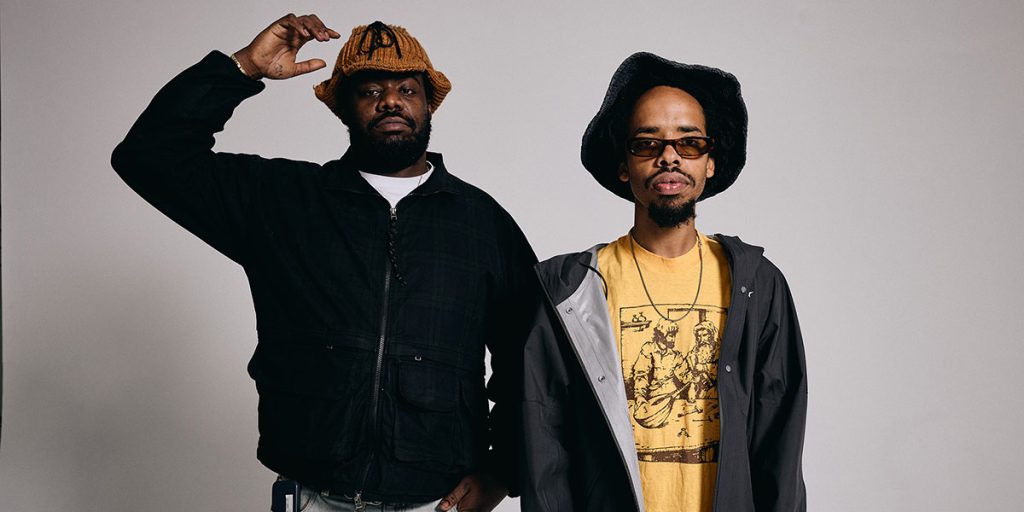

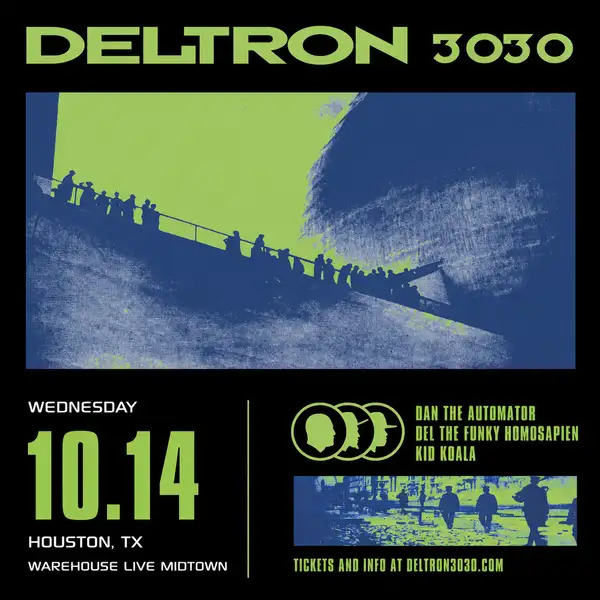














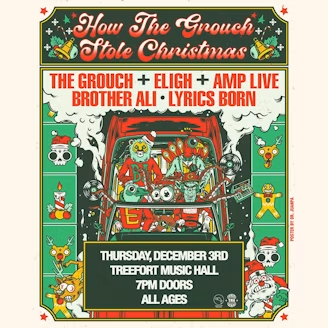
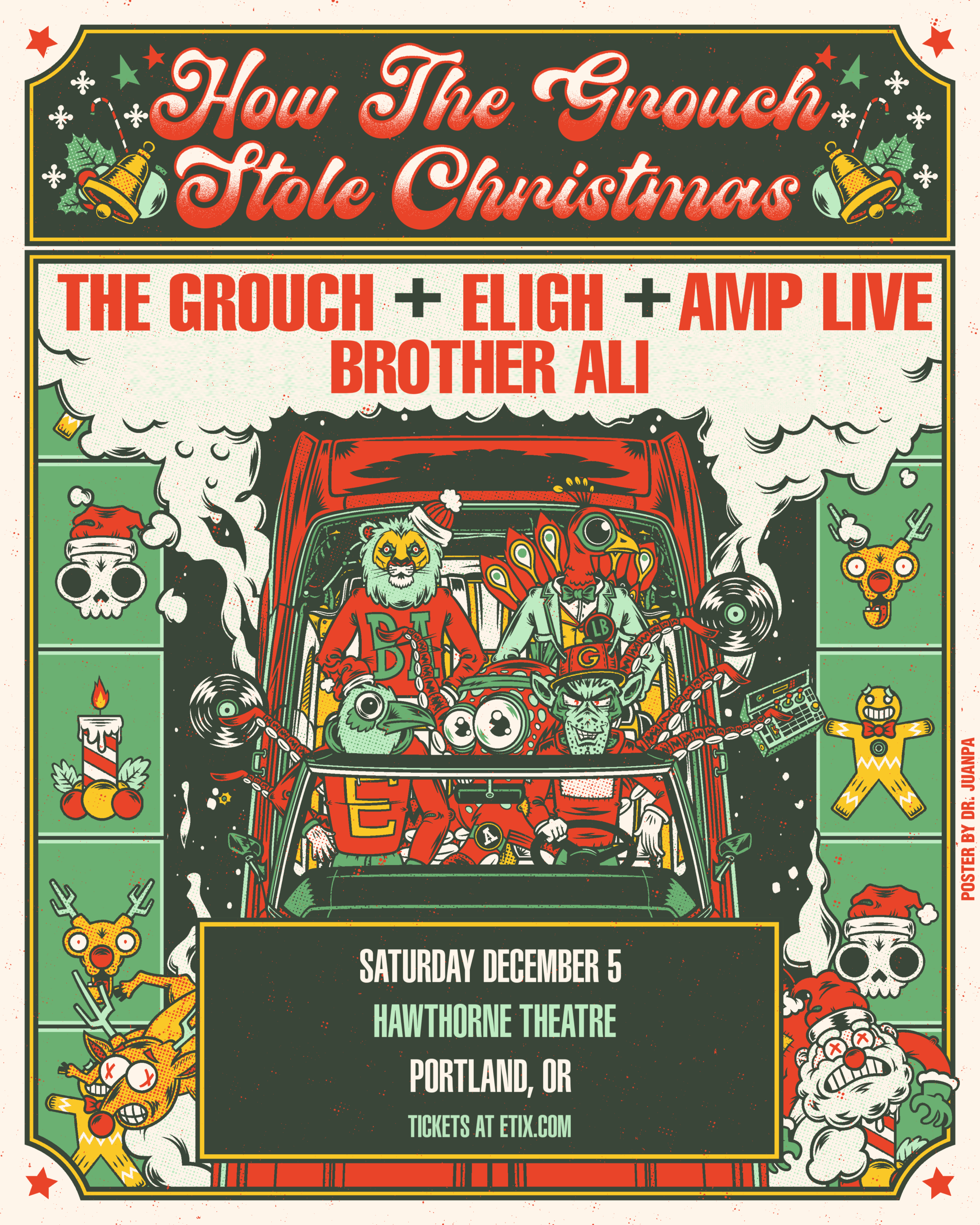
 The Grouch & Eligh bring the How The Grouch Stole Christmas Tour to Treefort Music Hall 12/3 Ft. AmpLive with Special Guests Brother Ali and Lyrics Born

















Leave a Reply