


For today’s independent hip hop artists, building a sustainable career often means earning income from more than one source. While streaming has made it easier to distribute music worldwide, many artists also generate revenue through live performances, merchandise, licensing, publishing, and other business activities. Diversifying income can help reduce reliance on any single revenue source and create a stronger financial foundation over time.
Understanding where opportunities exist allows artists to make informed decisions as they develop their careers.
Streaming Revenue
Streaming platforms such as Spotify, Apple Music, Amazon Music, YouTube Music, and TIDAL can generate revenue each time listeners stream an artist’s music. Payments vary depending on the platform, subscription type, territory, and other factors, and are generally paid through the artist’s distributor or rights holder.
While streaming can become a meaningful source of income, many artists supplement it with additional revenue streams as they grow their audiences.
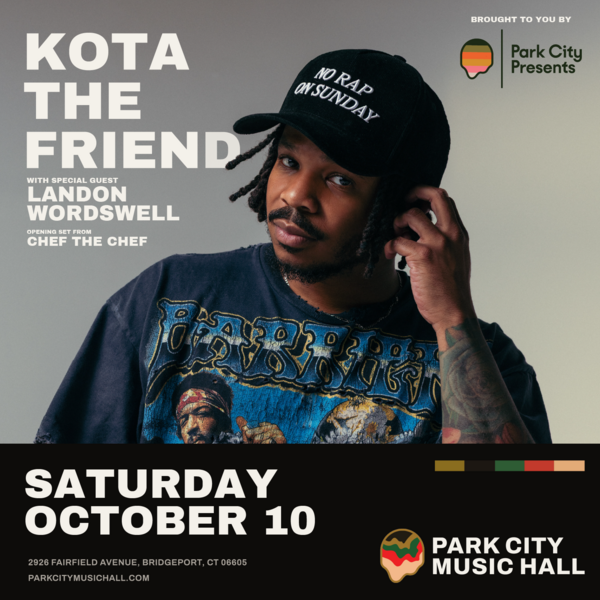
Live Performances
Performing live remains one of the most important income opportunities for many independent artists.
Live revenue may come from:
- Headline concerts
- Club performances
- Festivals
- College shows
- Private events
- Community events
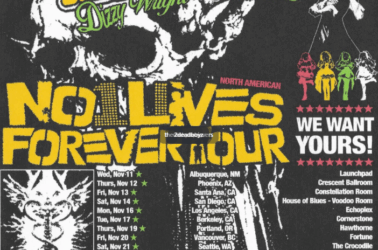
- International tours
In addition to performance fees, artists may also generate merchandise sales and strengthen relationships with fans during live events.
Merchandise Sales
Merchandise has become an important part of many independent artists’ businesses.
Common merchandise includes:
- T-shirts
- Hoodies
- Hats
- Posters
- Vinyl records
- CDs
- Stickers
- Accessories
Many artists sell merchandise through their websites, online stores, and at live performances. Merchandise not only creates an additional revenue source but also helps fans support the artists they enjoy.
Music Publishing
If you write your own songs, your compositions may generate publishing royalties.
Publishing income can include:
- Performance royalties
- Mechanical royalties
- Synchronization (sync) licensing income
Songwriters should understand how publishing works and ensure their songs are properly registered with the organizations responsible for collecting eligible royalties.
Synchronization Licensing
Synchronization licensing, commonly called “sync licensing,” allows music to be licensed for use in visual media.
Examples include:
- Television programs
- Films
- Commercials
- Video games
- Online video content
- Documentaries
When a song is selected for a sync placement, the financial terms are determined through a licensing agreement between the parties involved.
YouTube Revenue
Artists who own YouTube channels may be eligible to earn advertising revenue if they meet YouTube’s eligibility requirements for the YouTube Partner Program.
YouTube can also serve as a platform for:
- Official music videos
- Lyric videos
- Behind-the-scenes content
- Tour videos
- Interviews
- Studio sessions
Publishing content consistently can help artists expand their audience while creating additional opportunities for monetization.
Direct-to-Fan Sales
Many independent artists sell products and music directly to fans through their own websites.
Direct sales may include:
- Digital downloads
- Physical albums
- Limited-edition merchandise
- Signed products
- Exclusive releases
Selling directly allows artists greater control over pricing, branding, and customer relationships.
Fan Memberships
Some artists offer subscription-based memberships that provide supporters with exclusive content and experiences.
Membership benefits may include:
- Early access to music
- Exclusive videos
- Live streams
- Behind-the-scenes content
- Private online communities
- Limited-edition merchandise
Membership platforms allow artists to build recurring revenue while strengthening engagement with dedicated fans.
Crowdfunding
Crowdfunding platforms allow artists to raise financial support for specific creative projects.
Artists have used crowdfunding to help finance:
- Album recording
- Music videos
- Tours
- Vinyl production
- Independent films
- Creative projects
Supporters typically choose whether to contribute, and many campaigns offer rewards based on contribution levels.
Selling Beats and Production Services
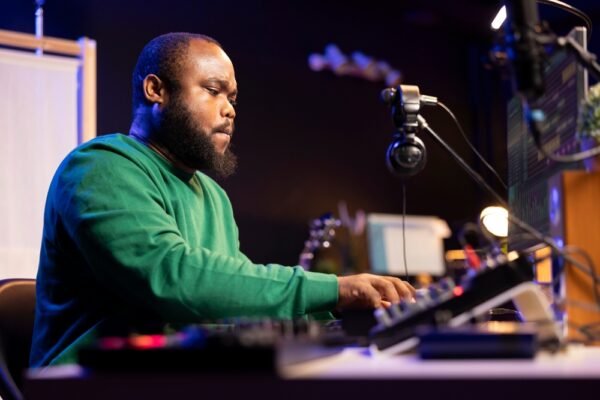
Artists and producers who create original instrumentals may also earn income by:
- Licensing beats
- Selling exclusive beats
- Producing music for other artists
- Mixing and mastering
- Recording services
These services can provide additional revenue while expanding professional relationships within the music industry.
Brand Partnerships
As audiences grow, some independent artists develop partnerships with brands whose products or services align with their public image.
Partnerships can include:
- Sponsored content
- Product collaborations
- Brand ambassador programs
- Event appearances
The structure and compensation of these agreements vary depending on the artist and the brand.
Teaching and Educational Content
Experienced artists often share their knowledge by creating educational content.
Examples include:
- Online courses
- Workshops
- Music production tutorials
- Songwriting instruction
- One-on-one coaching
For artists with specialized skills, education can become another meaningful business opportunity.
Building a Long-Term Music Business
Independent artists often combine several revenue streams rather than relying on one.
For example, an artist may:
- Release music on streaming platforms.
- Perform live throughout the year.
- Sell merchandise online and at shows.
- Collect eligible publishing royalties.
- License music for television or film.
- Maintain a YouTube channel.
- Offer exclusive content through a membership platform.
Every artist’s business model will be different. The most appropriate income opportunities depend on factors such as musical style, audience size, creative goals, available time, and overall business strategy.
Final Thoughts
Building a successful independent music career involves more than creating great songs. Today’s artists have access to a variety of legitimate ways to earn income while maintaining creative control over their work.
By understanding the different revenue opportunities available—and developing multiple income streams over time—independent hip hop artists can create stronger, more resilient businesses that support their creative careers for years to come.








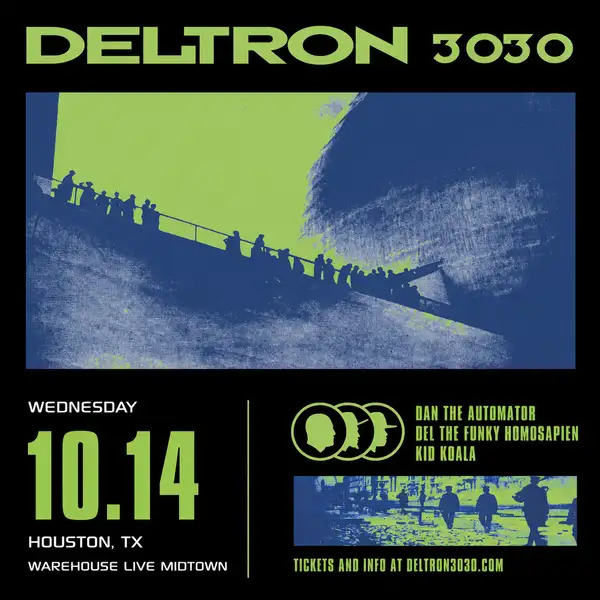
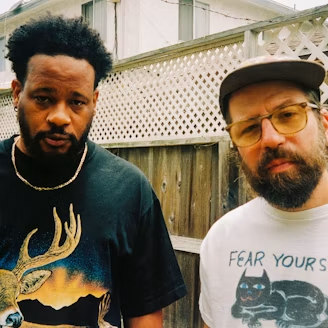








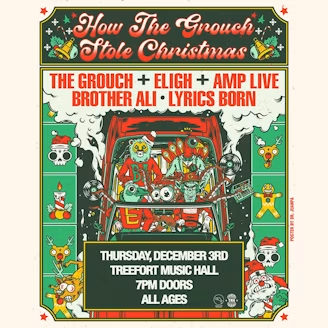
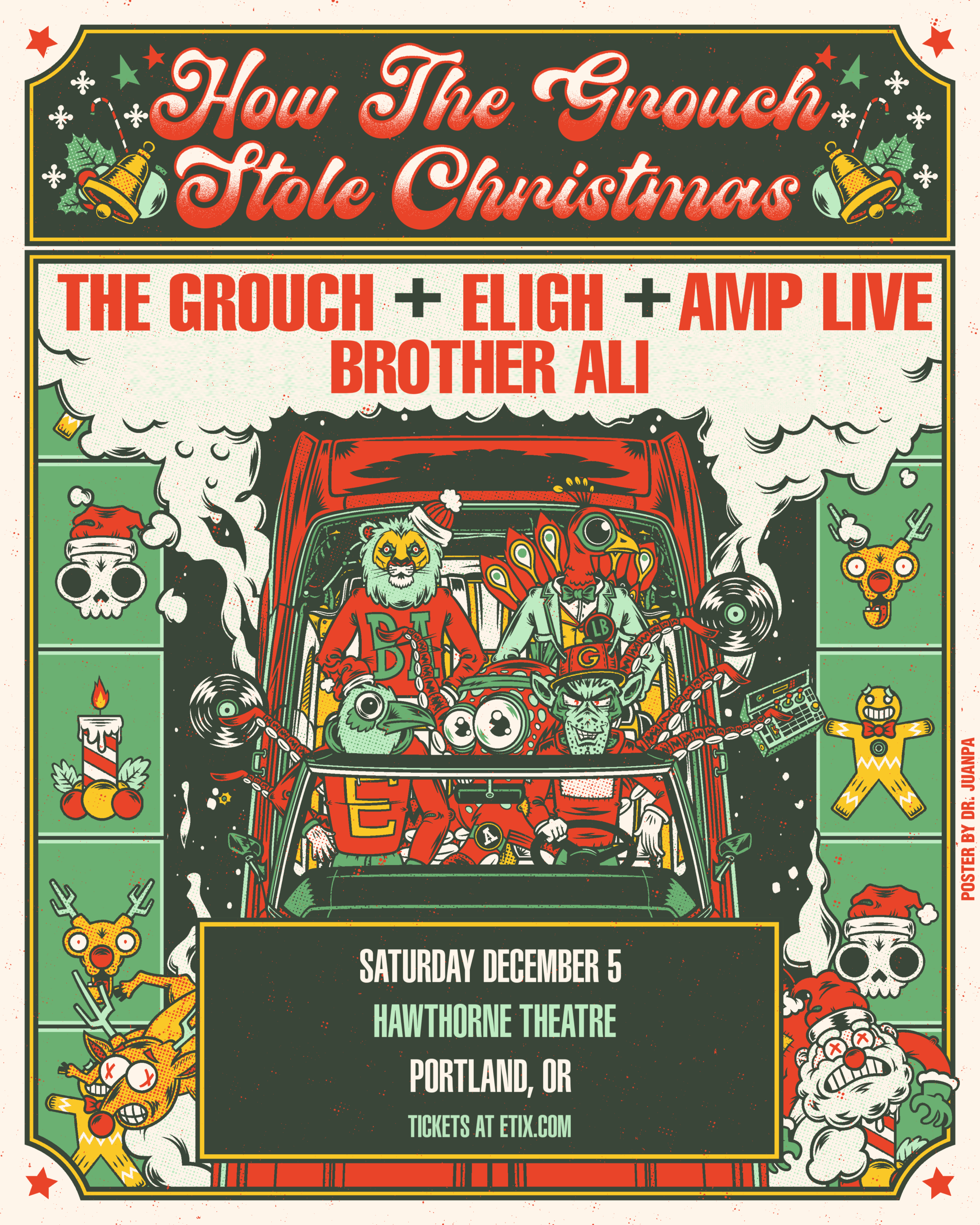
 The Grouch & Eligh bring the How The Grouch Stole Christmas Tour to Treefort Music Hall 12/3 Ft. AmpLive with Special Guests Brother Ali and Lyrics Born
















Leave a Reply