

THE INDEPENDENT ARTIST PLAYBOOK
Resources, strategies and ideas for independent artists building careers on their own terms.
For generations, becoming a successful recording artist usually meant finding a way inside the traditional music industry. Artists made enough noise to attract a record company, signed a deal and gained access to the distribution, marketing, promotion and industry relationships that were difficult to obtain on their own.
That path still exists, but it is no longer the only way to build a serious music career. Independent artists can now record music, distribute it globally, reach listeners directly, sell products, produce live events and build businesses around their creativity without waiting for a traditional gatekeeper to give them permission.
The biggest change may be how artists think about independence itself. Being independent is becoming less about operating outside the music industry and more about building your own place within it.
Independence Is Bigger Than Not Having a Record Deal
Being an independent artist is sometimes defined by what an artist doesn’t have: no major-label contract, no enormous marketing department and no corporate machine pushing the music. That definition overlooks what today’s independent artist can actually build.
Independence can mean ownership, creative control, direct access to an audience and the ability to decide which companies and partners participate in an artist’s career. An artist can potentially operate as a recording artist, media brand, merchandise business and live entertainment company while building an audience that follows the artist rather than simply following individual songs.
That doesn’t mean independent artists should try to do everything themselves. Managers, attorneys, producers, engineers, publicists, designers and other professionals can become increasingly important as an artist grows, but the artist can remain at the center of the business being built.
Independent Music Is Already Big Business
Independent music is no longer a small alternative to the traditional recording industry. Spotify reported that independent artists and labels generated roughly half of the royalties produced on its platform in 2025, illustrating just how significant music outside the major-label system has become.
That doesn’t mean streaming has suddenly made independence easy. Most artists still face an enormous challenge turning attention and streams into sustainable income, but independent music now represents meaningful economic activity rather than simply an underground movement waiting for the traditional industry to notice it.
The barriers between an artist and a worldwide audience have also become dramatically smaller. The bigger challenge today is figuring out how to turn access to that audience into relationships, revenue and a career that can last.
Independent Artists Are Entrepreneurs
Making great music remains the foundation, but building a career around that music requires artists to think beyond recording and releasing songs. Independent artists are increasingly entrepreneurs whose businesses happen to begin with creativity.
Music is intellectual property. Fans are customers and supporters. Concert tickets, merchandise, vinyl, digital releases and experiences can become products, while websites, streaming platforms, social media, email and text messaging become ways to reach an audience.
Thinking this way changes one of the biggest questions an emerging artist can ask. Instead of focusing exclusively on, “How do I get signed?” the question becomes, “What do I need to build a sustainable career?”
That shift in thinking is at the heart of modern independence.
Artists Now Have Tools That Once Required Gatekeepers
Technology has fundamentally changed what an artist can accomplish without a major company behind them. Recording equipment is more accessible, digital distributors can place music on global platforms, social media can connect artists directly with potential listeners, and ecommerce technology makes it possible to sell merchandise from almost anywhere.
The direct-to-fan side of the business is evolving as well. Platforms are experimenting with ways for artists to move beyond simply accumulating streams and create transactions directly with the people listening to their music.
TIDAL, for example, allows eligible U.S. artists to upload music and sell it directly to fans. Bandcamp has built much of its business around artists selling music and merchandise directly to listeners who want to financially support them.
No individual platform represents the entire future of independent music. What matters is the larger direction: artists have access to more infrastructure, and the distance between creator and fan continues to shrink.
Stop Chasing Numbers and Start Building Relationships
Social media and streaming have trained artists to pay close attention to numbers. Followers, views, likes, monthly listeners and streams can provide valuable signals, but large numbers alone do not necessarily create a sustainable career.
An artist with a smaller audience of people who consistently attend shows, buy merchandise, purchase music and share releases can have more real-world momentum than someone with a much larger passive following. For an independent artist, the depth of the relationship with an audience can be just as important as the size of that audience.
The objective should be to move people through a relationship with the artist. A listener can become a follower, a follower can become a fan, and a fan can eventually become someone who buys a ticket, purchases merchandise or introduces other people to the music.
Independent artists should not simply accumulate attention. They should build communities around that attention.
Your Audience Shouldn’t Belong Only to an Algorithm
Social platforms can be powerful discovery tools, but artists don’t control those platforms. Algorithms change, accounts lose reach, platforms rise and fall, and an artist who depends entirely on someone else’s technology can suddenly have difficulty reaching an audience they spent years building.
That is why direct fan relationships matter. Websites, email lists, text lists, merchandise customers and ticket buyers can create connections that exist beyond a social-media feed.
Social media can introduce someone to an artist, but the artist’s goal should be to deepen that relationship elsewhere. The more ways an artist can reconnect directly with supporters, the less dependent the career becomes on whether an algorithm decides to show the next post.
Streaming Should Be a Door, Not the Entire House
Streaming has given independent artists access to listeners around the world, but streams alone should not necessarily be treated as the entire business. Streaming can be one of the most powerful discovery and listening tools ever created while still being only one component of an artist’s career.
An independent artist can build multiple sources of revenue and engagement around the music. Live performances, merchandise, direct music sales, special releases, brand partnerships and other opportunities can all become parts of a larger artist business.
Each piece can strengthen the others. Someone discovers a song, follows the artist, attends a performance, buys merchandise and then brings a friend to the next show, creating a cycle that is far more valuable than a single anonymous stream.
Live Shows Matter in an Increasingly Digital World
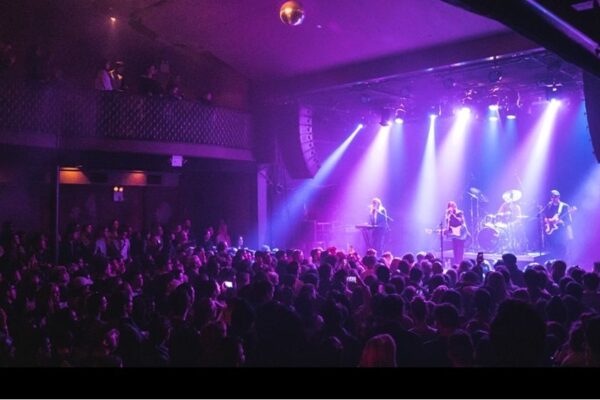
As releasing music online becomes easier, genuine human connection becomes even more valuable. A live performance provides something a streaming platform cannot reproduce: a room full of people experiencing an artist and the music together.
Independent artists should think about live performance as more than simply getting booked. Shows can create opportunities to meet fans, discover other artists, connect with producers and creatives, generate content and build relationships that continue long after everyone leaves the venue.
This is how independent scenes have always developed. Artists collaborate, fans bring friends, communities form around venues and events, and one artist’s audience discovers another artist they might never have encountered through an algorithm.
Digital discovery can introduce the artist. Real-world experiences can turn that discovery into community.
Your City Can Be Your First Market
The internet makes it possible for an artist in Brooklyn to reach someone in London, Atlanta, Los Angeles or Tokyo within seconds. That global access can sometimes cause emerging artists to overlook the opportunity sitting immediately around them.
Building locally can create the foundation for something much larger. Artists can develop relationships with other musicians, DJs, producers, photographers, designers, promoters, venues, journalists and fans who become part of an ecosystem supporting one another.
An artist who can consistently bring people into a room has demonstrated something important. An artist who can mobilize a genuine community has built something that algorithms, streams and follower counts cannot fully measure.
The goal doesn’t have to be staying local. The goal is building something strong enough locally that it can eventually travel.
Independent Doesn’t Mean Alone
One of the biggest misconceptions about independence is that artists must handle every part of their careers themselves. Independence and isolation are not the same thing, and trying to personally perform every business function can eventually limit an artist’s growth.
Artists still need teams. Depending on where they are in their careers, those teams can include managers, producers, engineers, attorneys, designers, photographers, marketers, publicists, booking professionals and other specialists.
The difference is how those relationships are structured. Instead of waiting for one company to provide an entire infrastructure, an artist can gradually assemble the people, platforms and resources necessary to support the business being built.
The future of independent music will not be thousands of artists working by themselves. It will be independent artists building with one another.
Fans Are Part of the Independent Music Economy
The transformation isn’t only happening among artists. Fans now have more power to determine which artists receive attention because discovery no longer belongs exclusively to radio programmers, record companies, magazines or other traditional gatekeepers.
Every time someone shares a song from an emerging artist, buys a ticket, purchases merchandise or introduces a friend to new music, that person is helping an independent career grow. Fans can become active participants in the ecosystem rather than simply consumers at the end of the process.
That means the next important independent artist could emerge from almost anywhere. The artist could be performing tonight in Brooklyn, Atlanta, Chicago, Houston or another city without waiting for the traditional industry to declare that person the next big thing.
The audience can discover what’s next for itself.
Independent Artists Need Other Independent Artists
Competition will always be part of music, but independent artists have enormous opportunities to grow together. Artists who share audiences, perform together, collaborate on records and introduce fans to one another can create opportunities that would be much harder to build individually.
This is especially important at the local level. A healthy independent scene needs artists, but it also needs photographers, videographers, producers, designers, promoters, venues, media platforms, entrepreneurs and fans who see value in supporting the culture around those artists.
Instead of constantly trying to network upward toward someone perceived as more powerful, artists should also build across. The artist standing beside you today may become tomorrow’s collaborator, touring partner, producer, business partner or connection to an entirely new audience.
Community can become infrastructure.
Build Something You Own
The opportunity facing today’s independent artist is much bigger than releasing music without a label. Artists have an opportunity to build assets, relationships and businesses that can continue creating value throughout their careers.
Own your music when possible and understand the rights connected to it. Know who your audience is, develop direct relationships with fans, learn how money moves through the music business and build a team of people whose skills complement your own.
Artists should also think about what exists after someone listens to the song. Give people somewhere to go, something to join, something to experience and a reason to stay connected.
The artists who understand both art and infrastructure will approach independence differently from artists who are simply waiting for someone else to create an opportunity.
The New Music Industry Is Already Being Built
Record companies, distributors, streaming services, managers and other established music businesses aren’t disappearing. Independent artists don’t need to reject those companies to be independent, and the right partnership can help an artist reach an entirely different level.
What has changed is the amount of leverage artists can potentially build before entering those relationships. An artist with ownership, an audience, live demand, direct fan relationships and a functioning business is approaching the industry from a very different position than an artist waiting to be discovered.
That may be the biggest shift happening in music. Independent artists aren’t simply standing outside the traditional industry asking to be allowed inside; they’re building businesses, audiences, brands, communities and experiences of their own.
The music industry of the future won’t only be built in corporate offices. It is already being built in studios, bedrooms, small venues, independent stores, creative spaces and communities around the world by artists willing to treat independence as more than a label.
The Independent Artist Playbook will follow that movement, providing independent artists with the resources, strategies and ideas they need to understand the business, grow their audiences and build sustainable careers while maintaining control of what they create.


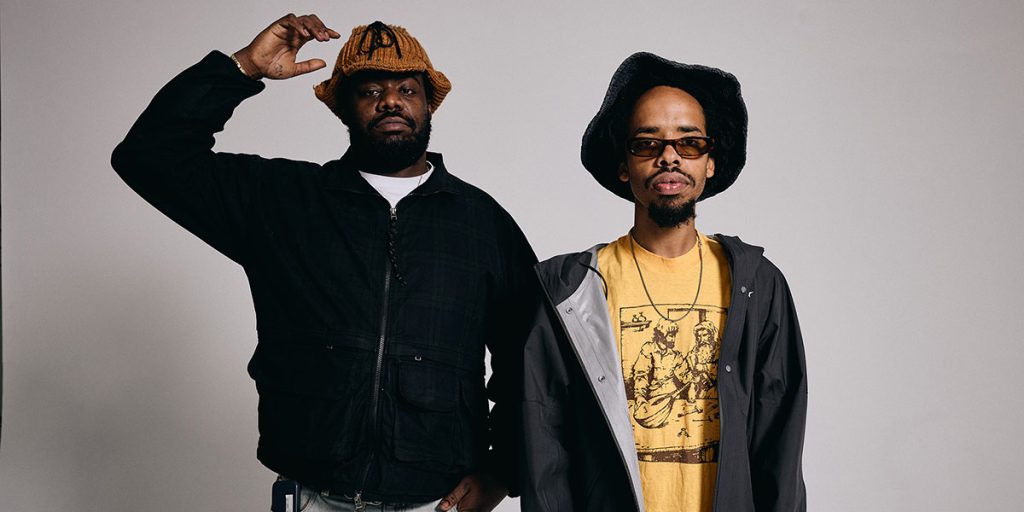







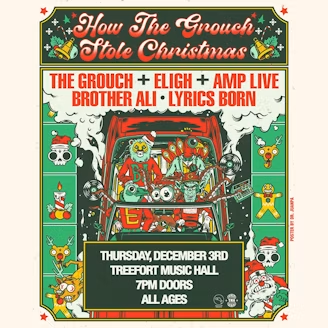
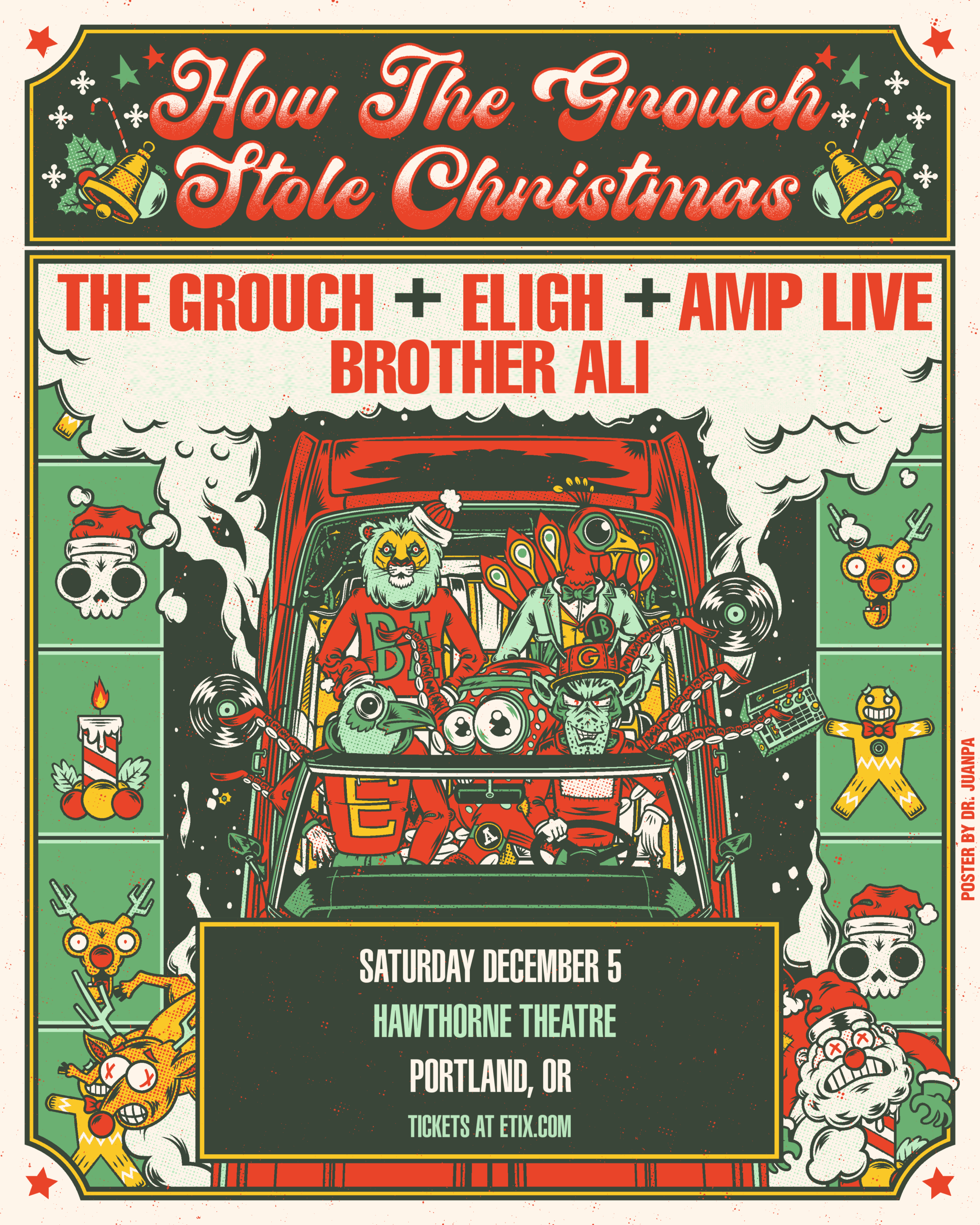
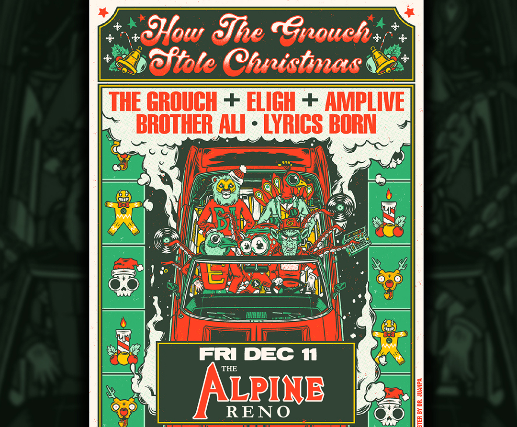
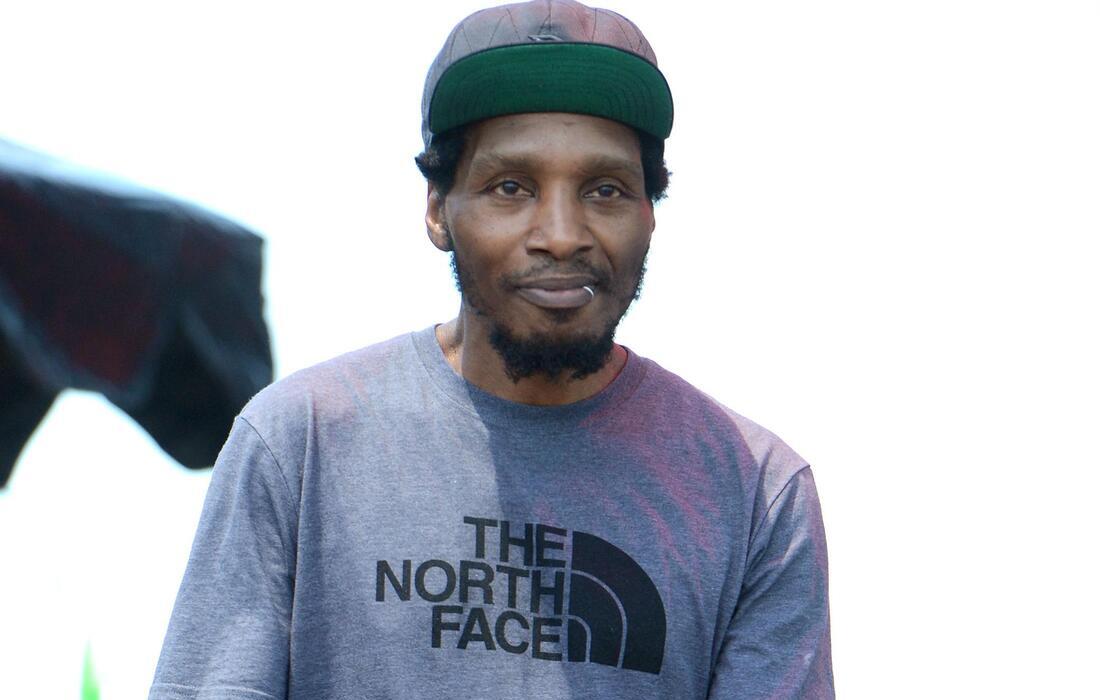
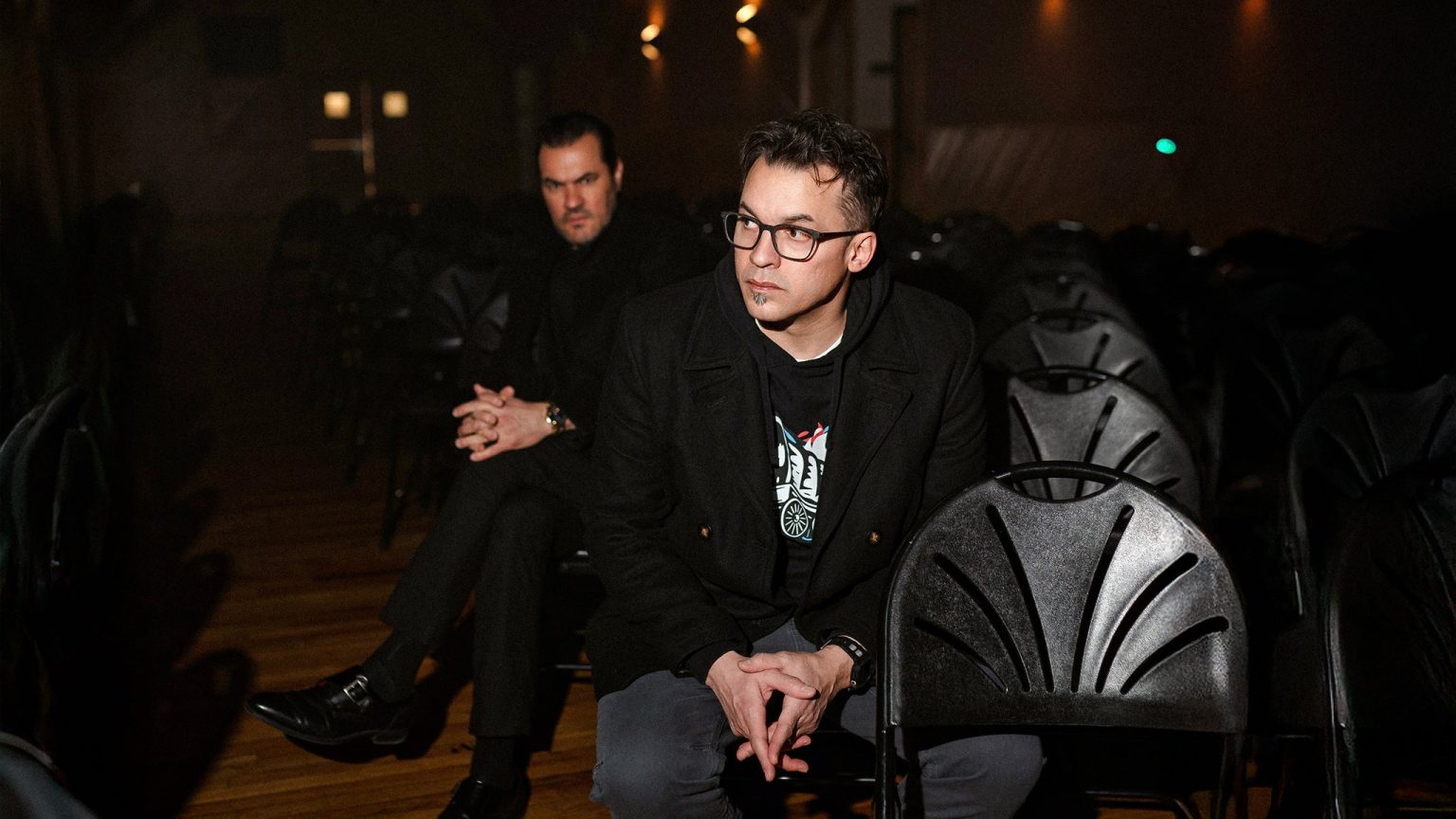
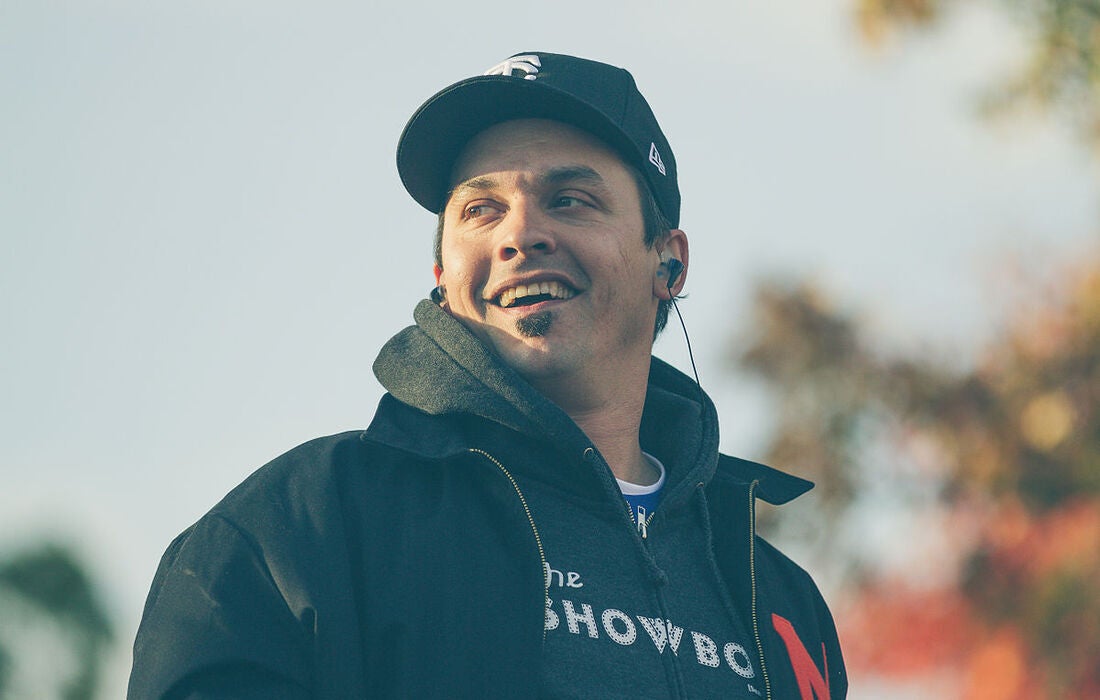
 The Grouch & Eligh bring the How The Grouch Stole Christmas Tour to Treefort Music Hall 12/3 Ft. AmpLive with Special Guests Brother Ali and Lyrics Born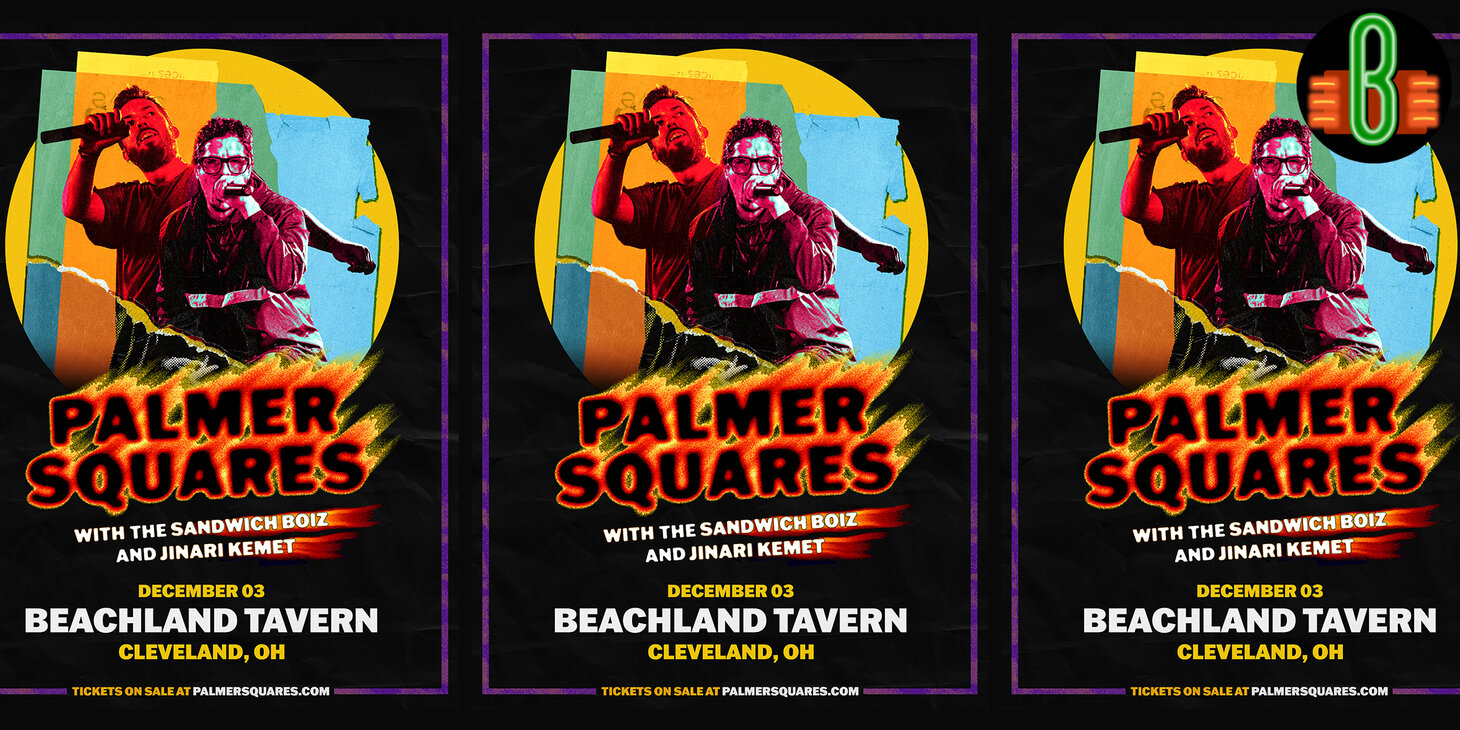













Leave a Reply