

Independent Artist Playbook
For decades, breaking into the music industry usually meant convincing someone else to open the door. Record labels controlled much of the infrastructure needed for distribution and promotion, radio programmers influenced what audiences heard, and major media outlets helped determine which artists received widespread attention.
That system has not disappeared, but independent artists no longer have to build their careers entirely within it. Artists can record professional music, use digital distribution to reach listeners around the world, communicate directly with fans, sell products, promote performances and develop businesses around their music without first signing to a major record label.
The result is a music industry where independent artists have access to tools and opportunities previous generations rarely controlled themselves. More importantly, artists can use those resources to build something potentially more valuable than independence alone: leverage.
Independent Artists Can Reach the World Without a Major Label
Distribution was once one of the strongest advantages a record company could offer. An artist could make incredible music independently, but getting that music into stores and in front of listeners at scale was considerably more difficult without an established company behind them.
Digital distribution changed that equation. Independent artists can now use digital distributors to release music across major streaming platforms and reach listeners around the world without signing to a traditional record label.
The challenge has shifted from gaining access to distribution to getting people to pay attention. Millions of artists can make music available globally, so simply uploading a new song or album does not create a successful independent career.
Audience development has therefore become just as important as music distribution. An independent artist who can consistently attract, retain and communicate with listeners is building an asset that can remain valuable throughout a career.
Social Media Turned Artists Into Their Own Media Companies
Artists once depended heavily on magazines, television, radio and entertainment outlets to introduce them to new audiences. Today, independent artists can communicate directly with thousands or potentially millions of people through digital platforms.
Instagram, TikTok, YouTube and other platforms allow artists to release performance clips, document the creative process, explain the stories behind songs, promote shows and introduce audiences to their personalities. Artists no longer have to wait for traditional media coverage before beginning to tell their stories.
The bigger opportunity, however, is not simply going viral. A viral moment can disappear quickly, while a genuine audience can continue supporting an artist through multiple releases, tours and stages of a career.
Successful independent artists can use media attention to build community. When listeners become supporters who stream music, attend performances, purchase products and share an artist’s work, that relationship becomes far more valuable than a single spike in views.
Ownership Can Give Independent Artists Long-Term Leverage
One of the biggest opportunities associated with an independent career is the possibility of retaining greater ownership and control. The exact rights an artist controls depend on contracts, collaborators, publishing arrangements and other agreements, but independence can provide more opportunities to determine how creative work is owned and used.
Music can continue generating value through streaming, licensing, publishing and other uses long after its original release. Artists who control important rights connected to their work may have greater flexibility over how that music is licensed, marketed and monetized.
Ownership does not automatically create success. An artist can own 100 percent of music that generates little revenue, so ownership becomes considerably more powerful when it is combined with an expanding audience and a catalog that continues attracting listeners.
Independent artists should therefore think beyond individual releases. Songs, albums, videos, brands and other intellectual property can become assets within a larger creative business when they are developed strategically.
Russ Shows What Independent Leverage Can Look Like
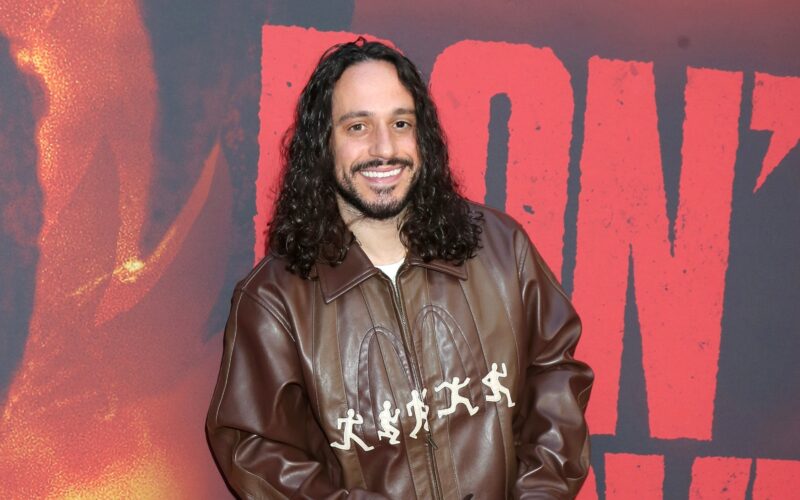
Russ offers a useful real-world example of how independence can create leverage rather than simply serve as an alternative to a record deal. Before partnering with Columbia Records, he spent years independently releasing music and developing an audience, building momentum before entering a relationship with a major label.
Russ has publicly discussed retaining ownership of the music from his independent catalog before Columbia. After his major-label period, he returned to releasing music independently and has continued speaking about ownership, fan relationships and the business responsibilities that come with controlling a career.
His path demonstrates an important distinction for emerging artists. Independence does not necessarily mean refusing to work with major music companies; it can mean building enough audience, catalog value and business infrastructure that partnerships become choices rather than requirements.
That is where leverage becomes important. An artist who has already demonstrated an ability to attract listeners and generate business independently can enter conversations with labels and other companies from a very different position than an artist depending on those companies to build everything from the beginning.
Artists Can Build Businesses Around Their Audiences
Music does not have to be the only product an artist creates. An audience that strongly identifies with an artist can potentially support an entire ecosystem surrounding the music.
Independent artists can develop merchandise, live events, memberships, physical releases, brand collaborations and direct-to-fan experiences. Each can become another way for supporters to participate in the artist’s world while creating revenue beyond streaming.
This changes the economics of being an independent artist because success does not have to be measured entirely by streaming numbers. Artists can potentially develop several revenue sources connected to the same core audience.
A smaller but highly engaged fan base can therefore be extremely valuable. Thousands of listeners who genuinely identify with an artist may create more sustainable opportunities than a much larger group of casual listeners who encounter one song through an algorithm and never develop a deeper connection.
Independent Artists Have Direct Access to Audience Data
Artists also have access to information that previous generations rarely possessed directly. Streaming dashboards, social platforms, ticketing systems, websites and online stores can provide information about where listeners live, which songs generate strong responses, which content attracts attention and which products people purchase.
That information can influence real business decisions. If an artist discovers an unexpected concentration of listeners in Atlanta, London or Chicago, for example, that data could help inform touring, advertising, collaborations and promotional strategy.
This means artists do not have to operate entirely on instinct. They can combine creative judgment with audience information and learn from releases, campaigns, ticket sales and other interactions.
Understanding an audience is itself a form of independence. Artists who have direct access to their own information are better positioned to recognize opportunities and make decisions about where to invest their time and money.
Being Independent Doesn’t Mean Doing Everything Yourself
Independence is sometimes confused with doing everything alone, but those are very different ideas. Attempting to personally manage every aspect of a growing career can eventually prevent an artist from concentrating on the creative and strategic work that matters most.
Managers, publicists, booking agents, attorneys, producers, designers, content creators and marketing professionals can all become part of an independent artist’s operation. Building a professional team does not necessarily require surrendering ownership or control of the overall business.
The goal should be to build infrastructure around the artist rather than forcing the artist to become the entire infrastructure. A strong independent operation can involve many people while allowing the artist to maintain meaningful ownership and decision-making power.
That mindset also requires artists to recognize where professional expertise is necessary. Independence becomes more sustainable when artists understand what they can handle themselves and when bringing in the right specialist can protect or expand the business.
Direct-to-Fan Relationships Matter More Than Follower Counts
Social media followers are useful, but artists do not own social platforms. Algorithms change, accounts can lose reach and platforms can rise or fall in popularity, making it risky to build an entire career around access to followers on one network.
Email lists, text communities, websites, online stores, membership programs and ticket-buyer databases can help artists maintain more direct connections with supporters. Those relationships become especially valuable when an artist has a new album, tour, merchandise release or special event to promote.
The strongest independent artists are therefore building more than follower counts. They are developing communities of people they can reach repeatedly throughout their careers instead of depending entirely on an algorithm to reconnect them with their own audiences.
For independent artists, that relationship can become a significant business asset. The ability to communicate directly with supporters creates opportunities that extend far beyond the release of a single song.
Technology Is Making Independence More Accessible
The infrastructure required to operate an independent music career has become more accessible. Artists now have tools for recording, video production, graphic design, website development, e-commerce, analytics, accounting, marketing and audience communication that would have been far more expensive or difficult to access in previous eras.
New digital tools, including AI-powered platforms, are expanding those capabilities further. Used thoughtfully, technology can help artists organize information, develop business workflows and handle repetitive administrative tasks while leaving creative and strategic decisions in human hands.
Technology does not replace talent, judgment or strategy, and access to tools does not guarantee success. What technology can do is lower some of the barriers that once prevented artists and small teams from operating at a professional level.
That creates more opportunity, but it also creates more competition. When almost everyone has access to distribution and promotional tools, the quality of the music, brand, strategy and relationship with the audience becomes even more important.
Independence Also Means Accepting More Responsibility
Greater control comes with greater responsibility. When there is no record company managing the operation, someone still has to create budgets, review contracts, register music properly, maintain schedules, manage releases, understand revenue and determine where money should be invested.
Today’s independent artist often has to think like both a creator and an entrepreneur. Artists do not need to become experts in every area of the music business, but understanding the fundamentals can help them recognize opportunities, ask better questions and know when professional assistance is necessary.
Creative freedom becomes considerably more powerful when supported by business knowledge. Artists who understand both their music and the operation surrounding it are in stronger positions to make informed decisions about their careers.
This is one of the realities behind the growing power of independent artists. More control means more decisions, and those decisions can have long-term consequences for both the artist and the business being built around the music.
The Goal Is Not Independence for the Sake of Independence
Being independent does not mean rejecting record labels, distributors, publishers or other established music companies. The right partnership can provide capital, expertise, relationships, marketing resources and infrastructure that help an artist expand.
The difference is that artists have more opportunities to build something valuable before entering those conversations. They can develop audiences, catalogs, brands and revenue streams independently and then evaluate whether an outside partnership adds enough value to justify the terms being offered.
An artist with an audience, proven ticket sales, consistent streaming activity, valuable intellectual property and direct fan relationships approaches potential partners differently from an artist asking someone else to build those things from scratch. Independence can therefore become the foundation that allows an artist to determine which opportunities actually make sense.
Russ is one example of how that path can develop, but the larger lesson applies at every level of an independent career. Artists do not need millions of fans before they start building leverage; every listener, customer, successful show, piece of owned intellectual property and direct fan relationship can contribute to something larger.
Independent Artists Have More Options Than Ever
Perhaps the greatest form of power in today’s music industry is the ability to choose. Independent artists can release music through distribution partners, build audiences, create businesses, assemble teams and pursue larger partnerships when those relationships make sense.
There is no single blueprint every independent artist has to follow. One artist may want to remain completely independent, while another may eventually partner with a label, publisher, distributor or investor after building enough leverage to negotiate from a stronger position.
The tools are available, global distribution is accessible and audiences can be reached directly in ways that were once impossible for most emerging artists. The challenge is turning those opportunities into sustainable careers through great music, consistent execution, patience and smart business decisions.
Today’s independent artist is building more than a collection of songs. The artists who understand the opportunity are building catalogs, audiences, brands, relationships and businesses that can give them something generations of artists fought to obtain: greater control over what happens next.












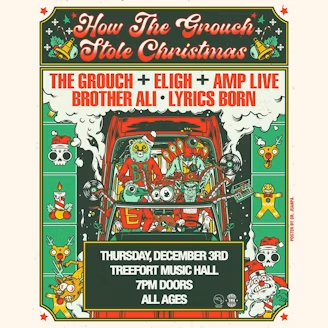
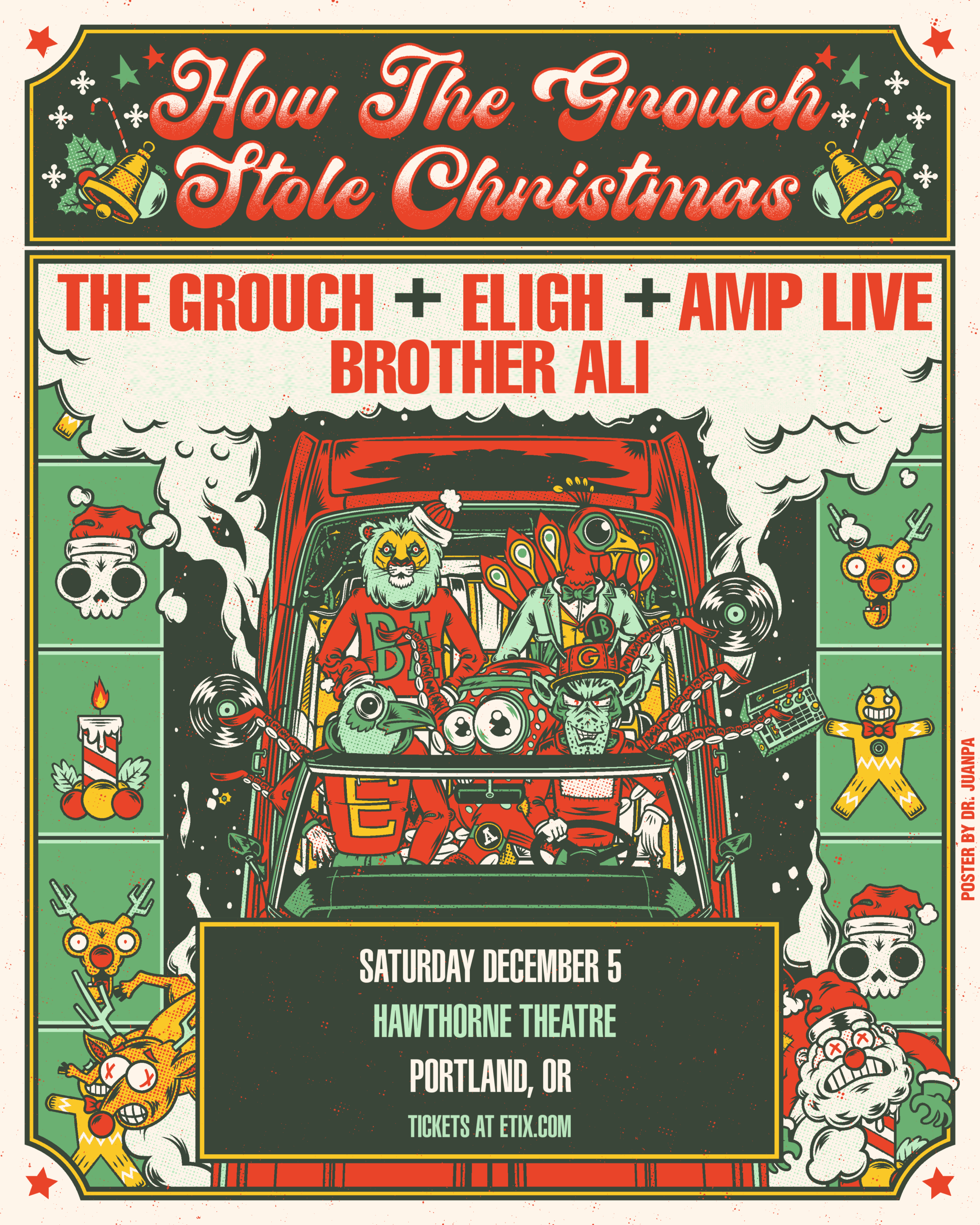
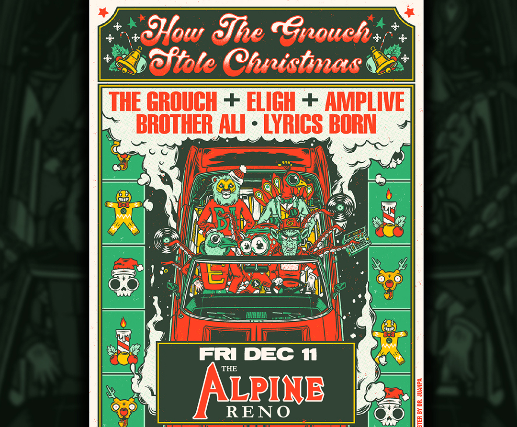
 The Grouch & Eligh bring the How The Grouch Stole Christmas Tour to Treefort Music Hall 12/3 Ft. AmpLive with Special Guests Brother Ali and Lyrics Born














Leave a Reply