

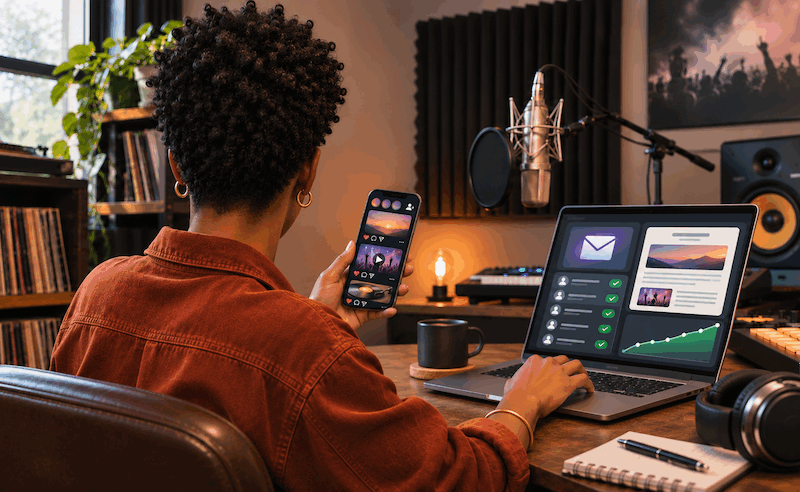
The Independent Artist Playbook
Independent artists need social media to attract attention, but sustainable careers are built by turning that attention into direct relationships.
For independent artists, the difference between social media followers and an audience you own can determine whether online attention becomes a sustainable career. Follower counts can provide visibility, but an owned audience—built through email, text messaging, ticket sales, customer relationships and an artist-controlled website—provides a more dependable way to reach supporters.
A growing social media following may attract promoters, potential collaborators, media outlets and brands. However, it does not guarantee that an artist can consistently reach those followers when it is time to release music, announce a show or sell merchandise.
Artists do not control how many followers see their posts, when those posts appear or whether their accounts will remain accessible. The social media platform controls distribution, which means an artist can spend years building a following and still be separated from most of those people by an algorithm.
Followers Are Valuable, but They Are Not Ownership
A social media follower is someone who has asked a platform to show them more of an artist’s content. That request does not guarantee that every post—or even most posts—will reach that follower.
Facebook, Instagram, TikTok and YouTube use recommendation and ranking systems to determine what each person sees. These systems evaluate user behavior and predict which content is most likely to keep each individual interested.
Meta explains that its systems use numerous signals to determine which posts, Stories and Reels may be most relevant to each person. Sharing, commenting, viewing behavior and other forms of engagement can influence whether content is distributed more widely.
TikTok says its For You feed considers factors such as viewing behavior, likes, shares, comments, captions and sounds. TikTok also states that follower count is not a direct factor in its recommendation system, although accounts with more followers may benefit from having a larger group of people initially exposed to their content.
YouTube recommends videos based on factors including viewing history, search activity, viewer satisfaction and how a video performs with similar audiences. The platform does not automatically show every new video to every subscriber because recommendations are personalized for individual viewers.
These systems can create tremendous discovery opportunities for independent artists. They can also change, learn and respond to user behavior in ways artists cannot fully predict or control.
Artists Are Building on Rented Ground
Social media platforms should not be viewed as the enemy. They are powerful discovery tools that allow an emerging artist to reach listeners around the world without first receiving permission from a record label, radio programmer or major media outlet.
The problem begins when an artist treats a social media account as the entire business instead of one channel within the business. An artist may have thousands of followers but no reliable way to contact them when a new project, performance or merchandise collection is released.
Accounts can also be suspended, hacked or restricted. A platform may change its features, advertising system, content priorities or eligibility rules, leaving the artist to adjust after the decision has already been made.
This is what it means to be at the mercy of a social media platform. The artist creates the content and attracts the followers, but the platform ultimately controls access and distribution.
What Is an Audience You Own?
No artist literally owns another person or has an unlimited right to contact someone. An “owned audience” describes a permission-based relationship that the artist can generally carry from one service provider to another.
Email addresses, opted-in phone numbers, customer records, ticket-buyer information and website memberships are examples of direct audience connections. If an artist changes email providers or rebuilds a website, those properly collected relationships can usually move with the artist.
The artist must still respect privacy, consent and each subscriber’s right to leave. The Federal Trade Commission explains that commercial emails must use accurate sender information, avoid deceptive subject lines, provide a valid postal address and give recipients a clear way to stop future marketing messages.
The real value of an owned audience is portability and direct access. Instead of hoping an algorithm places an announcement in a fan’s feed, the artist can communicate directly with people who have chosen to receive updates.
Social Media Should Lead Somewhere
The goal is not to abandon Instagram, TikTok, Facebook or YouTube. Independent artist marketing should use those platforms to move interested people toward relationships the artist can maintain.
A successful social media post should do more than collect views and likes. It should sometimes direct followers to join an email list, visit the artist’s website, purchase music, buy merchandise, reserve tickets or register for an event.
Discovery should lead to a destination, and that destination should create an opportunity for a direct relationship. Over time, those relationships can produce ticket sales, merchandise purchases, streams, referrals and long-term support.
The number of people taking that journey may initially appear small. However, 500 people who open emails, attend shows and purchase products can be more valuable to an independent artist than 50,000 followers who rarely see or respond to the artist’s content.
Give Fans a Reason to Connect Directly
Most people will not join an artist’s email or text list simply because they are asked. The artist must provide a clear reason for supporters to take that additional step.
That value could include early ticket access, an unreleased song, a merchandise discount, private updates, behind-the-scenes footage or invitations to exclusive events. The offer should feel like access to the artist’s world, not a trick for collecting contact information.
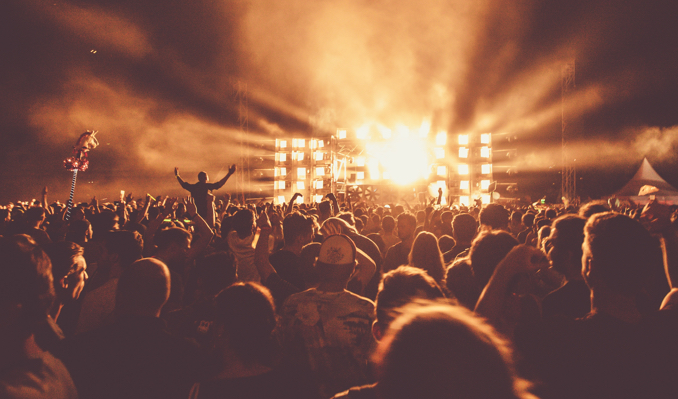
Live events are especially valuable for building an audience an artist can reach directly. A QR code at the merchandise table, a ticket-buyer opt-in or a post-show offer can convert someone who enjoyed a performance into a supporter the artist can reach before the next show.
Artists can also invite customers to join their lists during merchandise purchases, but consent should be clear. Buying a shirt should not automatically result in unwanted daily messages from the artist.
Organize the Audience, Not Just the Numbers
A direct audience becomes more useful when an artist understands why each person connected. Someone who attended a Brooklyn show may need different information from a listener in Los Angeles, while a vinyl buyer may respond differently from someone who joined to hear an unreleased song.
Artists should organize subscribers by location, interests, purchases and event attendance whenever their email, ticketing or customer-management tools allow it. This makes it possible to send relevant messages instead of sending every announcement to every person.
The objective is not to collect as many email addresses as possible. It is to build a community of people who recognize the artist, value the work and want to remain connected.
Building a Direct Audience Takes Work
An owned audience does not grow automatically. The artist must create sign-up opportunities, deliver useful communication, study the results and remain consistent even when the early numbers are modest.
This requires more focus than posting a video and watching the view count. It may involve maintaining a website, writing emails, learning basic customer-management tools and regularly backing up subscriber information.
The work can produce short-term benefits. A direct fan list can help an artist sell tickets, promote a release, move merchandise or fill a listening session without waiting for a social media post to gain algorithmic momentum.
The long-term benefits are even more important. Every release, performance and marketing campaign can strengthen the same audience instead of forcing the artist to rebuild attention from the beginning.
A Strong Independent Artist Uses Both
Social media followers and an owned audience should not be treated as competing strategies. Social media creates discovery and cultural visibility, while direct-to-fan marketing creates continuity, stability and measurable relationships.
An artist can use TikTok to introduce a song, Instagram to show personality, YouTube to deepen the story and email or text messaging to bring supporters to the next meaningful action. Each platform has a role, but no outside platform should control the entire relationship between the artist and the audience.
Independent artists are entrepreneurs by nature because they must create both the product and the system that supports it. Building a direct audience is part of that system, alongside making the music, performing, marketing, selling products and managing finances.
A follower count can rise or fall with the next trend or algorithm adjustment. A direct relationship, handled responsibly and consistently, can support an artist through multiple projects, platforms and stages of a career.
The work may feel slow at first, but that is how real infrastructure is built. For independent artists thinking beyond the next post, an audience they can reach directly is not merely a marketing asset—it is part of the foundation of a sustainable career.

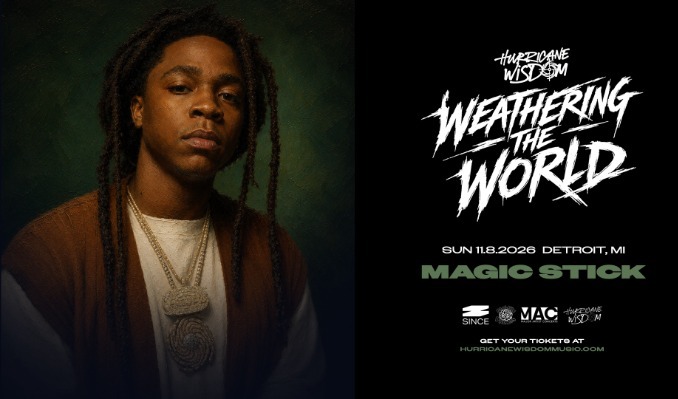
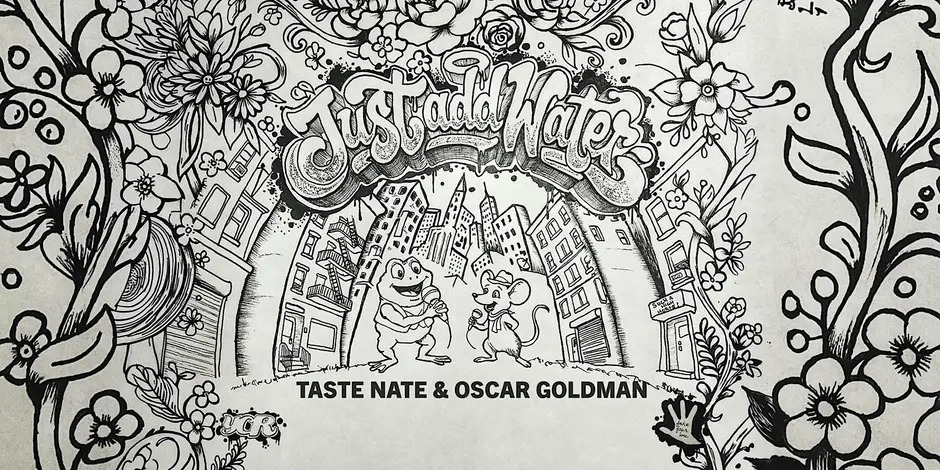
 The Golden Bear — 2326 K Street, Sacramento, CA
 Sunday, November 8, 2026
 8PM
 $10 • 21
 Taste Nate
 Solibowl — Tomorrow Today

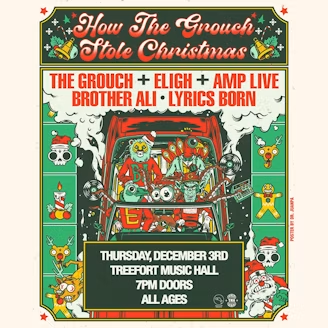
 The Grouch & Eligh bring the How The Grouch Stole Christmas Tour to Treefort Music Hall 12/3 Ft. AmpLive with Special Guests Brother Ali and Lyrics Born













Leave a Reply