

For independent rappers, the math behind streaming has never been known as “generous.” In a now familiar story, even millions of plays can amount to little more than rent money.
TIDAL aims to level the playing field somewhat, offering artists more than a place to stream. Majority-owned by Block, Inc., rhe platform launched TIDAL Upload in 2025 and added on the Direct-to-Fan Sales feature in 2026, giving indie hip hop artists a convenient toolkit with which they could release, get discovered, and get paid — all on their own terms.
What Is TIDAL Upload?
Launched in late 2025, TIDAL Upload lets artists publish up to 200 original tracks directly to the platform, with no distributor in between. Files can be as large as 5GB, and artists have the option to release tracks publicly or allow access only to collaborators.
There is a catch: uploaded tracks don’t earn streaming royalties. On the other hand, TIDAL provides artists with cash incentives and valuable exposure.
Spotlight and Headliners: Cash for Discovery
TIDAL takes a proactive approach to providing exposure through the “Spotlight” feature, with which selected public tracks can land on playlists and the app’s homepage. Artists whose tracks are selected receive $100 through Cash App for each day they’re featured.
In January, TIDAL announced the winners of its Upload Headliners contest, in which ten independent artists chosen from more than 10,000 submissions each received $100,000.
Direct-to-Fan Sales: Keep 90%
TIDAL also launched Direct-to-Fan Sales in June. Powered by Square, it lets artists sell tracks or albums directly to fans. Artists set their own prices and keep 90% of each sale before payment processing fees and applicable taxes. Fans can preview 30-second clips and pay for their purchases via one of several payment options, after which they can stream or download the track even without a paid TIDAL subscription.
Block’s Robert Andersen summed up the philosophy: “Artists are small businesses, too.” He also said the Square connection opens the door to merch and live-event ticketing down the road. At present, the feature is offered only to U.S. artists and buyers and is available only on iOS, web, and desktop, with Android support coming soon.
Why It Matters for Independent Hip Hop
Hip hop’s independent tradition was built on selling directly to the people, from hand-to-hand mixtapes to online storefronts. TIDAL’s tools modernize the model, allowing rappers to essentially pitch singles to the company’s editors, sell a full project to the core fanbase, and keep most of the revenue, all within a single platform. And with private uploads, producers and emcees can collaborate with other artists before making their track public.
The Fine Print
TIDAL emphasizes that artists must own all the rights to the content they sell. On July 15, the company also began requiring artists to label tracks created wholly or substantially with AI.
Artists do not earn royalties for tracks that use AI to a significant degree. This applies to tracks on Upload as well, so artists will have to seek outside distribution if they wish to earn from their music.
Getting Started With TIDAL
Uploading to TIDAL is as simple as opening the app, tapping the upload icon, and adding your audio, cover art, and metadata. Publishing a track publicly makes it eligible for Spotlight.
Actually selling a track requires setting up a Square account and setting your price.
Updates and eligibility can change, so it’s a good idea to check tidal.com/upload before you drop. For indie hip hop artists weighing where to release next, TIDAL’s mix of exposure, direct cash, and direct sales is worth a test run.











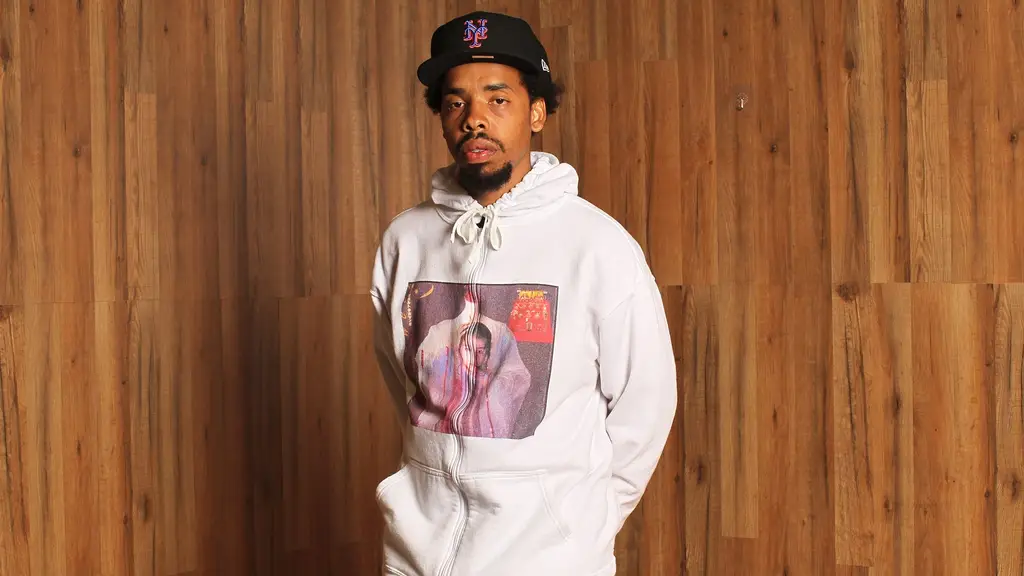




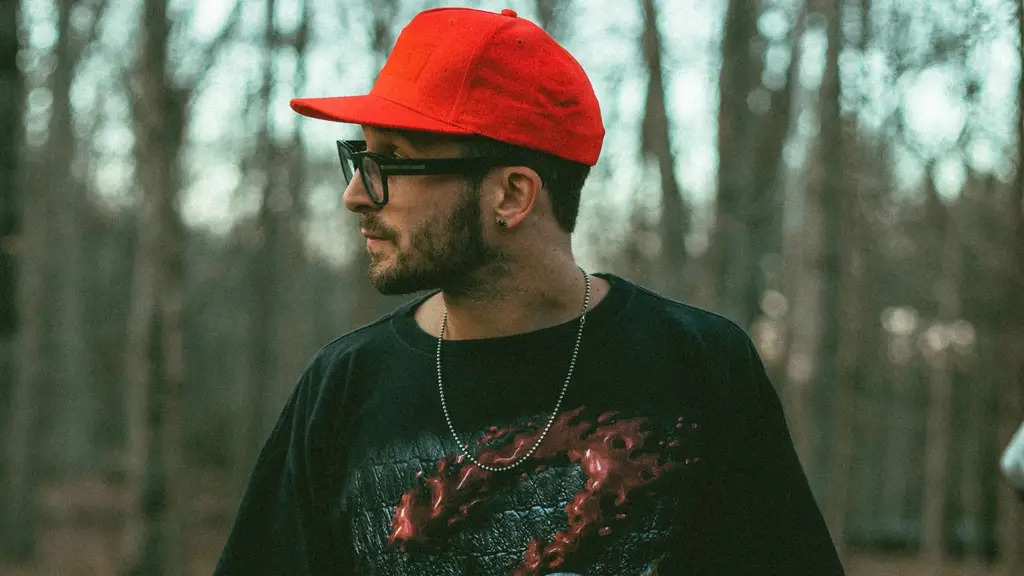



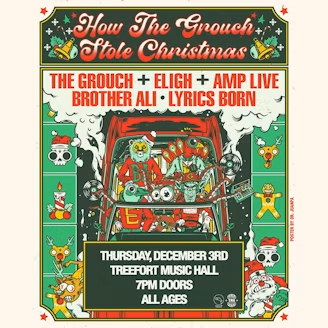
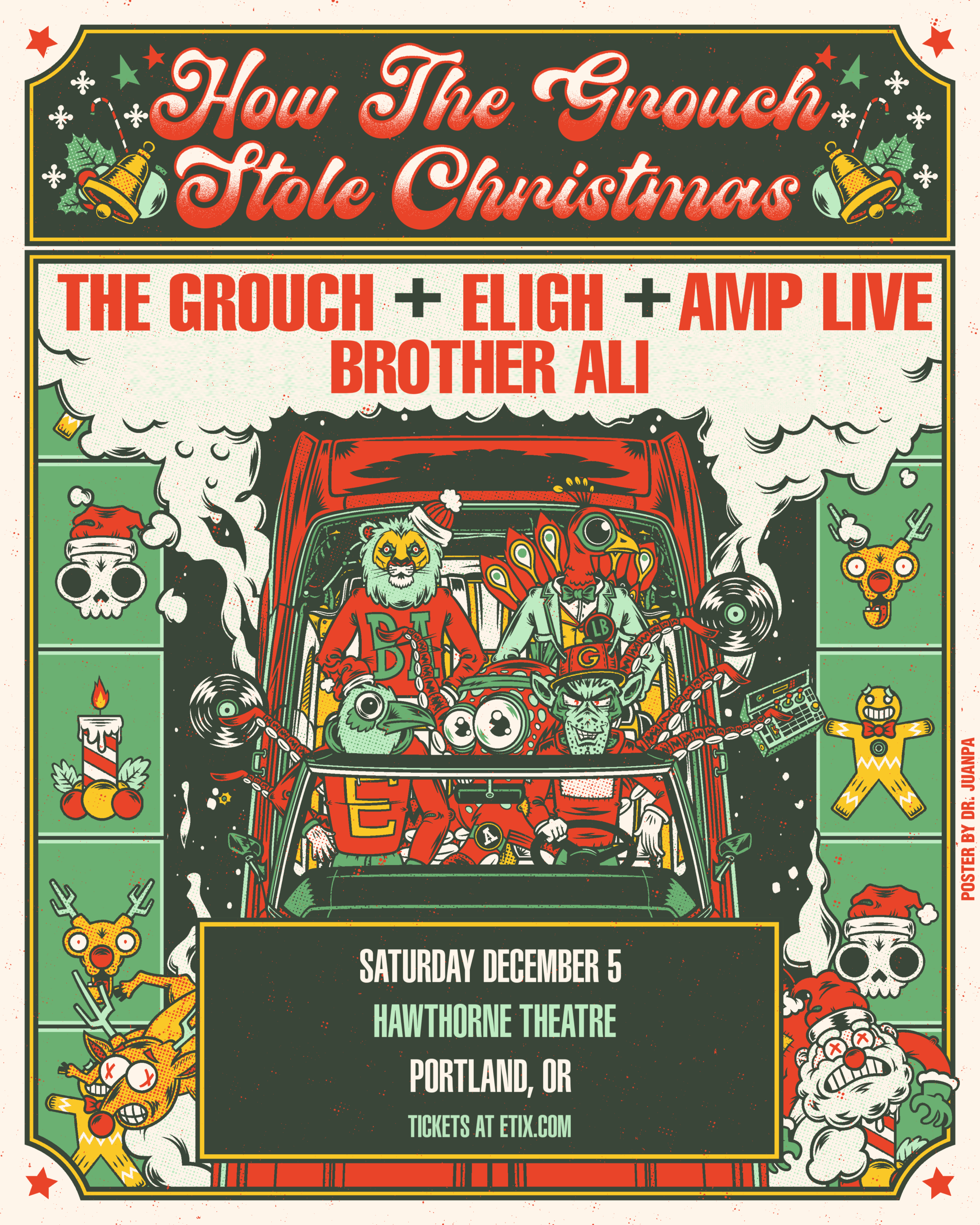
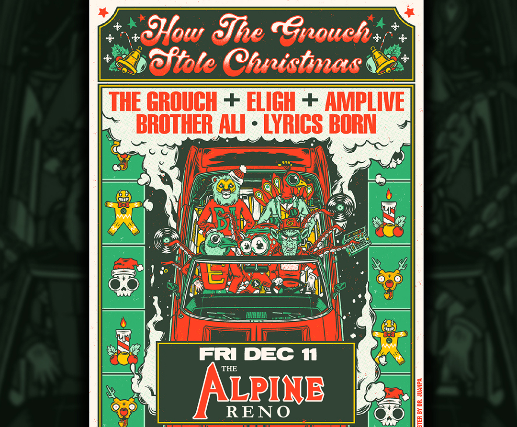
 The Grouch & Eligh bring the How The Grouch Stole Christmas Tour to Treefort Music Hall 12/3 Ft. AmpLive with Special Guests Brother Ali and Lyrics Born




















Leave a Reply